
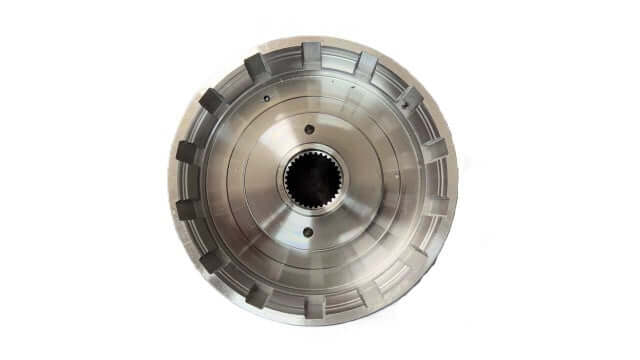
4L80E Direct Drum in Performance Rebuilds
In the hierarchy of critical components inside a 4L80E, the direct drum rarely gets the attention it deserves. Builders often focus on shafts, converters, or valve body calibration, yet the 4L80E direct drum plays a defining role in how well the transmission survives increased torque and aggressive use. When power levels rise or duty cycles intensify, this component quietly becomes a determining factor in reliability.
A performance rebuild changes the operating environment of the transmission. Torque increases, apply rates accelerate, and heat becomes a constant companion. Under those conditions, the direct drum stops being just another rotating assembly and starts behaving like a structural component that must absorb repeated shock loads. Understanding when and why an upgrade becomes necessary begins with understanding its role.
The Role of the Direct Drum in a 4L80E Transmission
In a 4L80E transmission, the direct drum houses the direct clutch pack, which is applied during third and fourth gear operation. Each time the transmission transitions into these ranges, the drum becomes the foundation that holds torque while rotating at engine speed. It is not simply transferring motion. It is managing load, pressure, and friction simultaneously.
During gear engagement, hydraulic pressure applies the clutch pack inside the drum, locking rotating elements together to establish the desired gear ratio. The drum must maintain dimensional stability while clutches apply evenly. Any distortion alters clutch clearance, reducing holding capacity and accelerating wear.
The direct drum experiences higher stress than many other rotating components because it operates under load at higher vehicle speeds. Input torque, line pressure, and clutch apply force converge in this assembly. The relationship between the drum, the clutch pack, and input torque is direct and unforgiving. When torque increases, stress rises exponentially rather than incrementally.
Why Performance Rebuilds Place More Stress on the Direct Drum
Performance rebuilds fundamentally change how a 4L80E behaves. Engine modifications increase torque output, often well beyond what the factory calibration anticipated. That torque is transmitted directly through the direct drum during higher gear operation.
Higher line pressure is another contributing factor. Performance valve body setups apply pressure to improve clutch holding power and shift quality. While beneficial, increased pressure places additional load on the drum walls and snap ring lands during every shift event.
Aggressive shift tuning further compounds stress. Faster application rates reduce overlap and improve firmness, yet they also introduce sharper loading forces. Add towing, diesel applications, or racing into the equation, and the direct drum becomes a constant stress riser in the transmission.
Common Signs the 4L80E Direct Drum Needs an Upgrade
Symptoms of direct drum distress often appear gradually. Slipping or delayed engagement in third or fourth gear is frequently the first indicator. These issues often surface under load, such as during towing or wide-open throttle acceleration.
Burnt or prematurely worn direct clutches are another red flag. When the drum distorts or loses rigidity, the clutch applies pressure unevenly. That imbalance generates heat and accelerates friction material breakdown.
During teardown, cracked or warped drums are not uncommon in high-mileage or high-power units. Metal contamination in the pan or filter often follows, as deteriorating drum surfaces shed material into the fluid. Loss of holding power under sustained load typically marks the final stage before failure.
Stock 4L80E Direct Drum Limitations in High-Torque Builds
The OEM direct drum was designed around factory torque expectations and duty cycles. In stock form, it performs reliably within those parameters. Once torque output rises, design compromises become apparent.
Thin drum walls create localized stress points that intensify under higher applied pressure. Over time, repeated loading cycles lead to distortion. Stock configurations also limit clutch capacity, restricting how much torque the assembly can reliably hold.
Heat exacerbates these limitations. As operating temperatures increase, material stability decreases. The result is gradual deformation that impacts clutch clearance and engagement consistency long before catastrophic failure becomes visible.
When an Upgrade Becomes Necessary During a Performance Rebuild
Upgrade thresholds vary, but once horsepower and torque exceed moderate factory margins, direct drum improvements should be evaluated seriously. Diesel applications, towing rigs, and racing builds consistently fall into this category.
Mileage and wear also influence the decision. A high-mileage transmission undergoing a performance rebuild already carries accumulated fatigue. Reusing marginal components introduces risk that outweighs short-term cost savings.
Preventive upgrades during a rebuild offer a controlled solution. Addressing the direct drum proactively reduces the likelihood of reactive repairs later, which often involve more extensive internal damage.
How Direct Drum Upgrades Improve Reliability and Performance
Upgraded direct drums increase clutch holding capacity by maintaining consistent geometry under load. Improved rigidity allows clutch packs to apply evenly, enhancing friction efficiency.
For builders looking to address these limitations during a performance rebuild, a purpose-built billet 4L80E direct drum provides the rigidity and clutch support needed to maintain consistent holding power under elevated torque and pressure.
Better resistance to heat and deformation translates directly into improved durability. When the drum maintains its shape, clutch life extends, and shift consistency improves.
Perhaps most importantly, a stronger direct drum reduces the risk of cascading failure. When this component fails, debris and pressure loss often damage neighboring assemblies, multiplying repair costs.
Builder Considerations When Selecting a Direct Drum Upgrade
Selecting the right upgrade begins with matching the drum to vehicle use and power level. A street-driven restomod demands different characteristics than a dedicated tow rig or race application.
Compatibility with clutch packs and steels is essential. Increased capacity must align with available clearance and hydraulic capability. Supporting upgrades such as valve body calibration, pump modifications, and clutch selection must work together as a system.
Precision machining and balance also matter. A poorly finished or improperly balanced drum introduces vibration and uneven wear. Professional builders evaluate these factors as part of the overall rebuild strategy rather than treating the drum as a standalone part.
Why the Direct Drum Is a Smart Preventive Upgrade
From a cost perspective, upgrading the direct drum during a rebuild is minor compared to repairing a failed transmission. The expense of collateral damage far exceeds the investment in preventive strength.
A stronger drum protects other internal components by maintaining stable pressure and clutch engagement. That stability extends the overall transmission service life.
Long-term performance consistency is another benefit. Shift feel, holding power, and heat control remain predictable, even as operating demands increase.
4L80E Performance Rebuilds Built for Real-World Demands
Professional builders evaluate direct drum needs based on torque curves, vehicle weight, usage patterns, and intended lifespan. There is no universal answer, only informed decisions.
Build quality and component selection define outcomes. A performance rebuild succeeds when every internal component supports the same goal rather than competing with it.
Upgrading the 4L80E direct drum during the rebuild process delivers long-term benefits that align with real-world demands, not theoretical limits.
Build a Stronger 4L80E Transmission from the Inside Out
A performance rebuild philosophy begins internally. Purpose-built components establish the foundation that allows power upgrades to perform reliably. This is where experienced guidance matters. At Gearstar Performance Transmissions, each 4L80E performance rebuild is evaluated as a complete system, with direct drum selection based on real-world load requirements rather than theoretical limits.
Builders and enthusiasts who want confidence in their component choices are encouraged to contact Gearstar to discuss their combination and intended use, ensuring the transmission is built correctly from the inside out and designed to deliver performance that lasts rather than fades.
More From the Shop
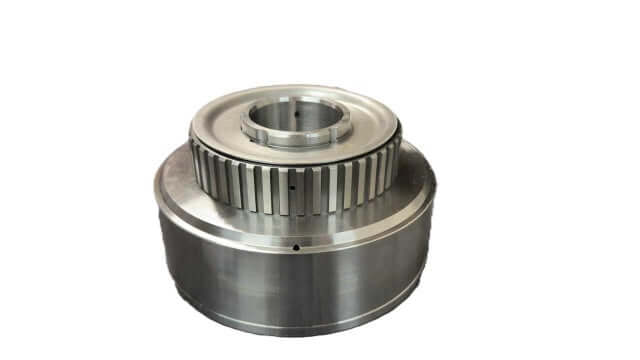
What Is a Billet Direct Drum? Strength, Design, and Why It Matters
If there were a popularity contest in the world of transmission components, the...
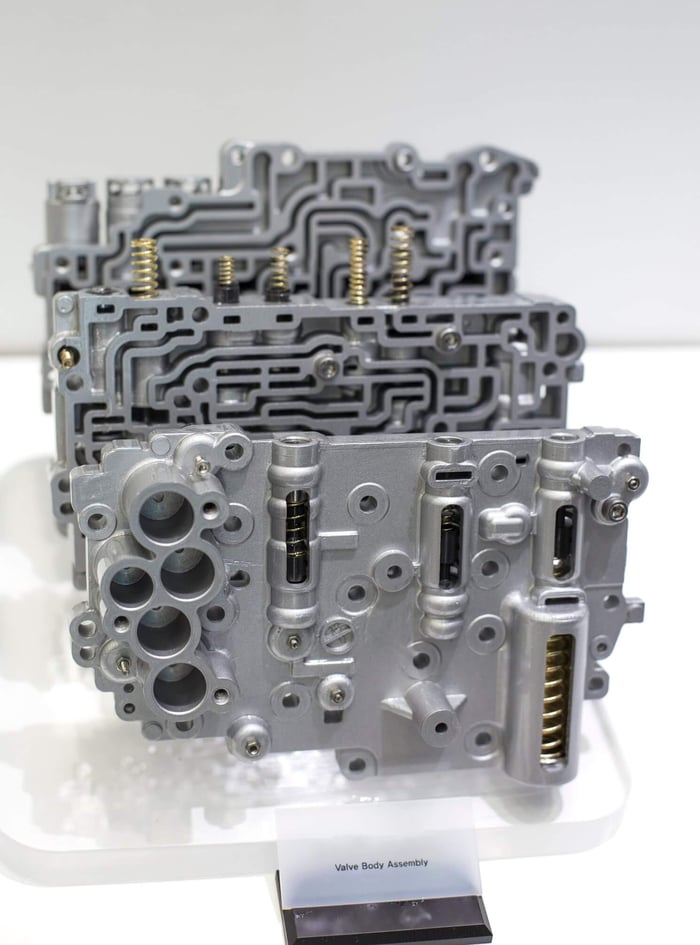
Valve Body Basics: What Does a Valve Body Do in a Transmission?
So, what does a valve body do in a transmission? It directs pressurized fluid to...
Essential 6L90 Transmission Upgrades
If there’s one thing GM got right with the 6L90 transmission, it’s that they built...