
Rebuilt, Remanufactured, or Built: Three Words the Industry Uses Loosely
Rebuilt vs Remanufactured Transmission: Why the Words Matter More Than the Price
Ask three shops for a transmission quote and you might get three very different numbers, all for something called a "rebuilt" transmission. One is a local shop replacing the parts that failed. One is a factory-style unit off a production line. One is a transmission built for your specific car. Same word, three different products.
That is the problem with transmission language. Rebuilt, remanufactured and built get used loosely, sometimes interchangeably, and the price differences between them start to look like markup when they are really differences in what you are buying. This guide explains what each term usually means, what each one does and does not promise, and how to tell which one you are actually being sold.
Rebuilt: Returned to Service
A rebuilt transmission is one that has been taken apart, had its failed and worn parts replaced, and been put back together. In most shops that means a rebuild kit: new frictions, steels, seals and gaskets, plus whatever hard parts were obviously broken.
A good rebuild by a careful technician can be a perfectly sound repair, especially on a stock vehicle used the way the factory intended. But the word itself does not guarantee much:
- It does not say which parts were replaced beyond the obvious ones.
- It does not say whether the parts that were not replaced were measured or simply reused.
- It does not say whether the original weak point was addressed or put back in.
- Quality depends almost entirely on the person doing the work.
A rebuild restores the transmission to do the job it was originally designed for. If your car now asks more of it than the factory did, a rebuild to stock spec puts the same design back under the same load.
Remanufactured: Standardized at Scale
A remanufactured transmission is usually produced in a factory-style setting. Cores are fully disassembled, cleaned and inspected, wear parts are replaced, and the unit is brought back to a standard specification, often including updates the manufacturer released after the original design. Each unit is typically tested before it leaves.
The upside is consistency. Remanufacturing is a repeatable process, and for an everyday vehicle that needs a dependable replacement, it can be a good option.
The tradeoff is in the word "standard." A remanufactured unit is built to one spec for every vehicle that uses that transmission. It is not built around your engine, your gearing or how you drive. For a stock daily driver that is fine. In a car with more power, a different converter, bigger tires or a different job than the factory planned for, a standard unit is being asked to do something it was never specified for.
Built: Specified to a Car, Not a Catalog
A built transmission starts from a different question. Not "how do we return this unit to stock?" but "what does this car need?"
A built transmission is specified around the vehicle it is going into:
- The power target, now and planned, so the hard parts and clutch capacity are sized for it
- The converter, matched to the cam, weight, gearing and use
- The calibration, set up so the transmission shifts and applies the way the build needs
- The use, whether that is cruising, towing, street and strip, or the drag strip
That makes a built transmission a different product, not a nicer rebuild. It is also why it costs more. You are paying for the specification, the parts chosen for your application and the testing, not for a premium label on the same thing.
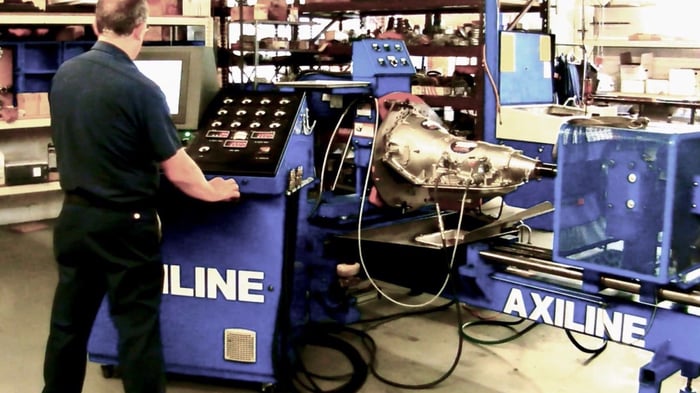
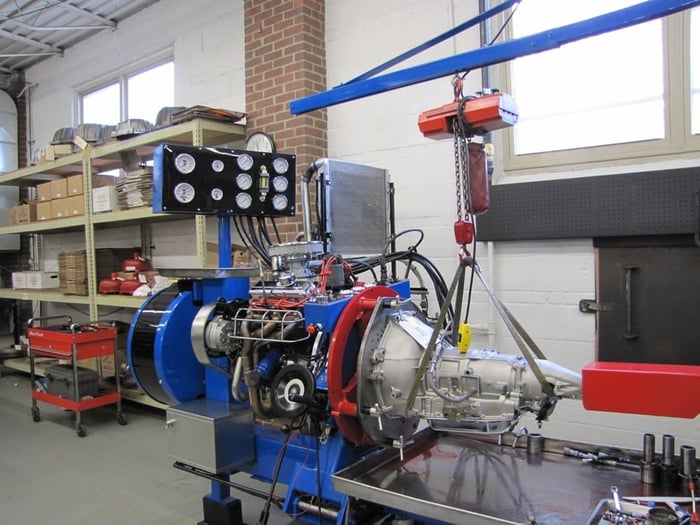
This is how Gearstar works. We don't call our transmissions rebuilt or remanufactured, because they are neither. One technician assembles each transmission start to finish, it is matched to the customer's engine, gearing and driving, and it is dyno tested before it ships. The customer gets a dyno video of their own transmission.
Side by Side
| Rebuilt | Remanufactured | Built | |
|---|---|---|---|
| Goal | Return a failed unit to service | Return a unit to a standard spec, at scale | Spec a unit for one specific vehicle and use |
| Parts replaced | Failed and worn parts, usually a rebuild kit | Wear parts plus known updates, to a standard list | Parts chosen for the power, load and use |
| Who does the work | Varies by shop | Production process | A builder working from your combination |
| Testing | Varies, often a road test | Usually tested before shipping | Should be tested before shipping; ask how |
| Best fit | Stock vehicle, simple failure, good local technician | Stock daily driver that needs a dependable replacement | Added power, towing, swaps, performance use, or a repeat failure |
| Relative cost | Lowest | Middle | Highest |
How to Tell Which One You're Being Sold
Because the words get used loosely, the label on the quote is not enough. These questions get to what you are actually buying:
- Which parts are being replaced? Ask for the parts list, not just "rebuilt." A list tells you more than any label.
- Was the unit built for my vehicle or pulled from stock? If it was on a shelf before you called, it was not specified for your car.
- What information did you need from me? A shop building for your car will ask about your engine, power, gearing, tire size, weight and use. If nobody asks, nobody is building around it.
- Who assembled it? On a built transmission you should be able to find out.
- How was it tested? Ask what testing the unit went through before it shipped, and whether you can see the result.
- What does the warranty cover? Read what it covers, for how long, and whether it applies to how you use the vehicle, including added power or towing. Our rebuild vs replace guide covers more of the decision.
Which One Does Your Car Actually Need?
Here is the honest answer: not every car needs a built transmission.
- A stock daily driver with a simple failure is often well served by a good rebuild or a remanufactured unit.
- A car with added power, a cam and converter change, bigger tires or a swap is asking the transmission to do something the factory never planned for. That is where a built transmission earns its cost.
- A truck that tows regularly needs a transmission, converter and cooling sized for the load, not just for the stock rating.
- A second failure in the same place is usually a sign the design is being asked to do too much. Putting the same parts back in tends to produce the same result.
The right choice is the one that matches how the vehicle is used, now and over the next few years.
Next Step
If you are weighing a built transmission, the best place to start is a conversation about your car. Have your year, make and model, engine and power, gearing, tire size, weight and intended use ready, and tell us about your build. We'll tell you what it needs, and what it doesn't.
For more on how the terms show up in quotes, see our earlier posts on rebuilt vs remanufactured transmissions and what goes into a transmission rebuild.
FAQs
What is the difference between a rebuilt and a remanufactured transmission?
A rebuilt transmission has had its failed and worn parts replaced, usually by a local shop, and quality depends on the technician. A remanufactured transmission is fully disassembled, inspected and brought back to a standard specification in a production setting, often with factory updates.
Is remanufactured better than rebuilt?
For a stock vehicle, a remanufactured unit usually offers more consistency because the process is standardized. A careful rebuild can be just as good. Neither is specified for a modified vehicle.
What is a built transmission?
A built transmission is specified around one vehicle: its power, converter, gearing, calibration and use. It is a different product from a rebuild or a remanufactured unit, not an upgraded version of either.
Why does a built transmission cost more?
You are paying for the specification, the parts chosen for your application, the assembly and the testing. The price difference reflects a different product, not a markup on the same one.
Do I need a built transmission?
Not always. A stock daily driver with a simple failure is often fine with a good rebuild or remanufactured unit. Added power, towing, swaps, performance use or a repeat failure are where a built transmission makes sense.
More From the Shop
4L60E vs. 4L80E: Which GM Transmission Is Right for Your Build?
The 4L60E vs 4L80E question usually shows up as a horsepower question. How much can...
Which is better, 200R4 or 700R4?
The 200R4 vs 700R4 debate has been going on for decades, and for good reason. Both...
700R4 vs 4L60E: What To Know Before Upgrading
When it comes to GM overdrive automatics, few transmissions get talked about more...