
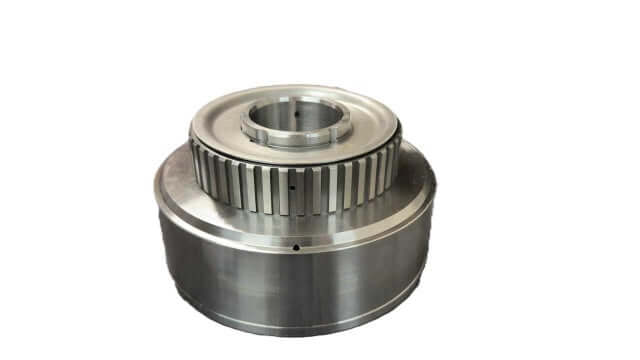
What Is a Billet Direct Drum? Strength, Design, and Why It Matters
If there were a popularity contest in the world of transmission components, the direct drum might not even get an invite. Most people don’t know it exists, yet it quietly handles some of the toughest jobs inside an automatic transmission. So, what is a billet direct drum, and why does it matter for your transmission rebuild?
Let’s Start with the Basics: What a Direct Drum Does
Before we get fancy with “billet,” it helps to understand what a direct drum actually does. Inside your automatic transmission, the direct drum is basically the hub that holds the clutches responsible for engaging forward gears. When you floor it, this drum is doing the heavy lifting by literally transferring torque from the engine to the transmission while keeping the clutch packs aligned and under control.
Think of it this way: a direct drum is the skeleton for your transmission’s clutches. When it’s strong and precise, shifts feel solid, and power goes where it should. When it’s weak… well, you’ll hear that dreaded clunk or see your clutch packs take a beating. It’s not flashy, it doesn’t have lights or fans, but without a solid drum, even the best torque converter or clutch pack can fail under pressure.
And here’s a fun fact for those who like digging into specs: the direct drum is usually made of stamped metal in stock transmissions. That’s great for normal driving, but as soon as you push beyond stock power levels or want more precise shift timing, you start running into limitations.
Why “Billet” Changes the Game
Now let’s talk about the magic word: billet. If you’ve ever wondered “what makes a billet direct drum different from a regular one,” here’s the scoop. Most stock drums are cast, meaning molten metal is poured into a mold and cooled. Functional? Sure. Bulletproof under high stress? Not always.
Billet drums are machined from a solid block of aluminum. That may sound like overkill, but it comes with serious benefits:
- Strength: No weak points from casting; billet drums resist warping, cracking, and breaking under extreme horsepower.
- Precision: Machining ensures exact tolerances, so clutches fit perfectly and engage smoothly.
- Reliability: Ideal for high-stall converters, racing applications, or any build where the stock drum might beg for mercy.
For high-performance builders, a billet direct drum isn’t just a nice upgrade. Imagine pushing 600+ horsepower through a stock drum. It might survive one run, maybe two, but the odds aren’t great. Billet construction dramatically improves those odds.
Anatomy of a Direct Drum
So, what’s actually inside this little powerhouse? A direct drum might sound simple, but it’s made to handle a lot of abuse. Key parts include:
- Outer Shell: This is where the clutch packs live and spin. It’s the part that “feels” the torque first.
- Inner Hub: Mounted on the input shaft, this is what actually transmits power to the rest of the transmission.
- Splines and Lands: These ensure the clutch packs engage evenly, distributing force without shredding anything.
Picture it like the hub and spokes of a wheel, but instead of holding tires, it’s holding your clutches in perfect alignment while the engine puts them through their paces.
Another fun way to visualize it: think of a direct drum as the “frame” of a transmission’s muscle car. It doesn’t make the car go, but without it, all the high-performance parts are just sitting in a pile, hoping nothing breaks.
Common Weak Points In Direct Drums
Stock stamped or cast drums have weak points that can show up in surprising ways. Push your car hard, and you might see:
- Warping or bending of the drum under sustained high RPMs.
- Cracks forming around the spline areas.
- Tooth or hub damage that ruins clutch engagement.
Hard launches, drag racing, towing, or high-horsepower engine swaps are common scenarios where stock drums start crying for help. That’s where a billet direct drum shines by resisting these failures, keeping clutch packs aligned, and ensuring your power gets delivered efficiently.
Ever hear a transmission go clunk during a hard launch? Chances are, that’s a drum under stress. With a billet drum, that sound—and the repair bills that follow—can often be avoided.
Performance Considerations
A billet direct drum can drastically improve your build’s performance. Here’s how:
- Torque Capacity: Stronger drums let clutch packs handle more power without slipping or tearing.
- Shift Precision: Tighter machining tolerances make for firmer, more predictable gear changes.
- Longevity: Less warping and wear means your transmission will stay healthy for longer, even under repeated heavy use.
There’s also a subtle effect on driving feel. A billet drum engages more consistently, which can make shifts feel smoother in street driving or sharper during aggressive launches. It’s like upgrading from a cheap sports shoe to a custom racing shoe: same function, but everything just feels better.
Of course, there are trade-offs. Billet drums are more expensive than stock units, and if you’re building a mild street car with a 300-horsepower engine, you might not notice the difference. But for high-stress or high-power builds, the investment pays off in spades.
Matching Your Drum to Your Build
Not every vehicle needs a billet direct drum. Choosing the right one depends on several factors:
- Engine Power: The more torque you’re putting through the transmission, the stronger the drum should be.
- Vehicle Weight: Heavy cars, trucks, and towing setups put more stress on the drum.
- Driving Style: Street cruising? Drag racing? Towing a trailer? Each scenario places different demands on the transmission.
It’s also worth noting that drum size, spline design, and clutch pack compatibility all matter. A billet drum isn’t a one-size-fits-all solution. Before you order one, gather as much info as you can about your car, engine, and transmission. Your local transmission shop or performance builder can help ensure the drum matches your project’s specs.
Real-World Applications
Billet direct drums aren’t just for drag cars or race trucks—they show up in a lot of builds:
- High-stall torque converter setups: Prevents clutches from getting shredded during launches.
- Towing and off-road vehicles: Handles sustained high loads without deforming.
- Street/strip hybrids: Keeps shifts sharp while surviving weekend abuse.
Even in milder builds, some enthusiasts opt for billet drums for peace of mind—knowing that their transmission has a solid foundation is worth the extra investment.
Final Thoughts: Is a Billet Direct Drum Worth It?
So, what is a billet direct drum, really? It’s the heavy-duty, precision-machined hub inside your transmission that keeps clutches engaged, torque flowing, and high-stress launches from destroying your rebuild.
For high-performance builds, it’s basically insurance. For a mild daily driver, it might be overkill, but it certainly won’t hurt anything. Next time you’re looking at a transmission rebuild kit, take a moment to check out the drum. The difference between a stock cast piece and a billet one could be the difference between clunk and smooth, reliable shifts.
And remember: just like choosing the right torque converter or clutch pack, a billet direct drum is most effective when it’s matched to your vehicle’s specs and your driving style. When you get it right, you’ve essentially future-proofed a key part of your transmission.
More From the Shop
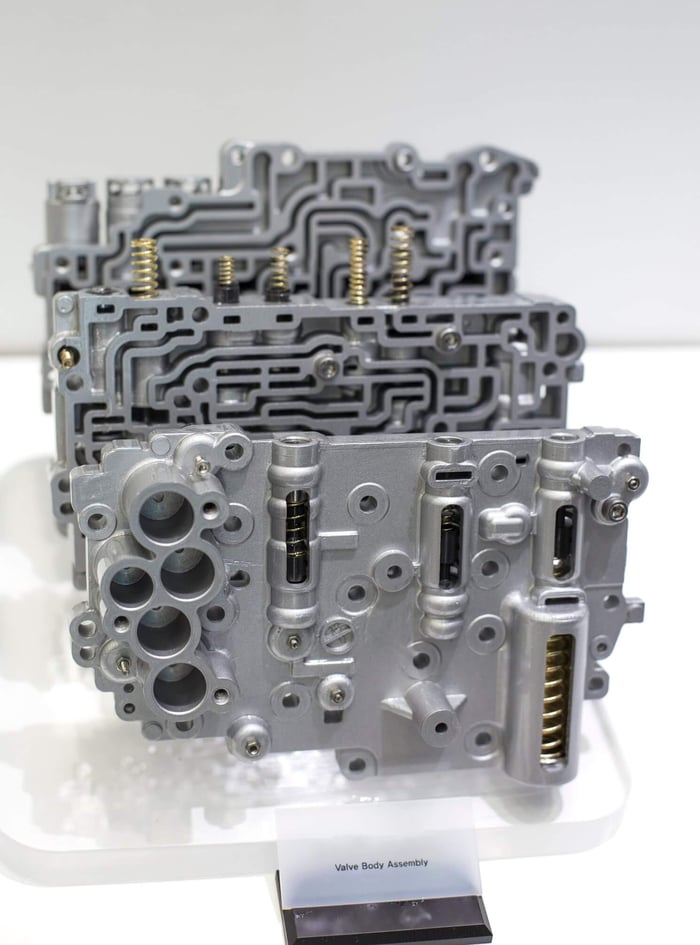
Valve Body Basics: What Does a Valve Body Do in a Transmission?
So, what does a valve body do in a transmission? It directs pressurized fluid to...
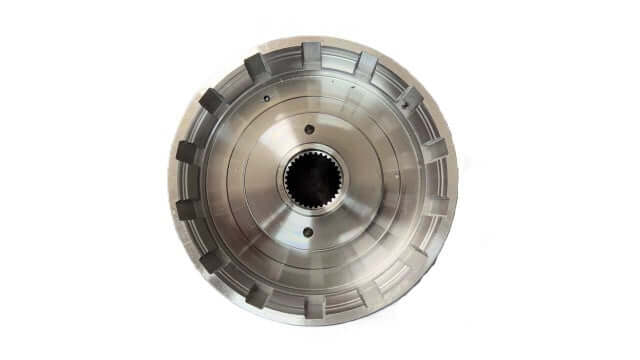
4L80E Direct Drum in Performance Rebuilds
In the hierarchy of critical components inside a 4L80E, the direct drum rarely...
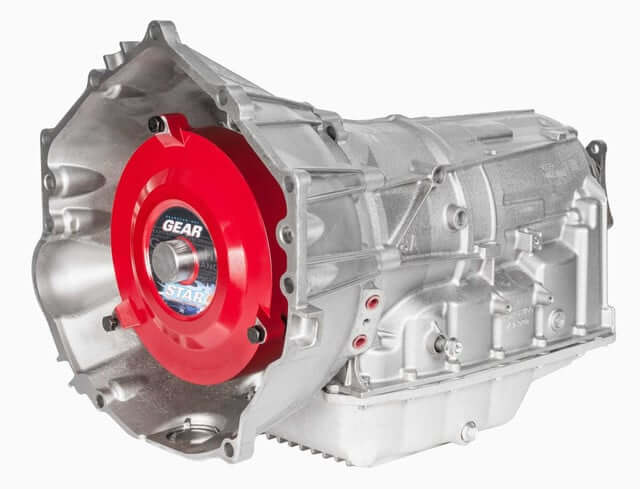
Essential 6L90 Transmission Upgrades
If there’s one thing GM got right with the 6L90 transmission, it’s that they built...