
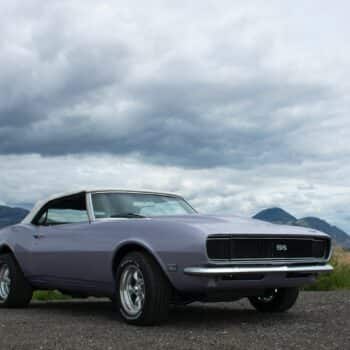
6L80E and 6L90E Transmission Specs and Identification
Two transmissions, one family
The 6L80E and the 6L90E are close enough that people mix them up constantly, and different enough that putting the wrong one in a heavy truck is an expensive mistake. Same gear ratios, same clutch to clutch design, same 2006 introduction. The 6L90E is the bigger, stronger, heavier one, with an extra clutch plate in every pack and a heavier gearset.
If you are choosing: 6L80E for LS swaps and passenger car weight, 6L90E when the vehicle is heavy, towing, or diesel powered.
What made these different from everything GM built before
Every GM automatic before this family was fundamentally a hydraulically controlled transmission that picked up electronic pieces over time. The 6L80 was designed from scratch as an electric over hydraulic unit with microprocessor control. Six forward gears keep the engine inside its power band more of the time, which is worth roughly 4 to 7 percent in fuel economy over the previous 4 speeds depending on the vehicle. It is a clutch to clutch design with no bands at all.
The 6L80E replaced the 4L60E in a lot of applications starting with the 2006 model year, mostly in larger V8 cars. The 8L90E has since taken over much of that role, though the 6L80 family remains in production.
Shared gear ratios
Both units use four underdrive gears and two overdrives, so neither has the traditional 1:1 direct drive that the 4L60E and 4L80E have in third.
- First: 4.027
- Second: 2.364
- Third: 1.532
- Fourth: 1.152
- Fifth: 0.852
- Sixth: 0.667
- Reverse: 3.064
6L80E specs
- Type: 6 speed longitudinal automatic, rear wheel drive
- Introduced: 2006
- RPO code: MYC
- Input torque rating: 440 lb-ft
- Max GVW: 8,600 lbs
- Case: 18 bolt pan, more than any other GM automatic
- Shifting: clutch to clutch, no bands
- Built: GM Michigan plant
- Notable: line pressure tap for diagnostics only
Common applications: 2006 Pontiac G8, 2006 to 2014 Corvette, 2010 to 2015 Camaro, 2017 Chevrolet SS, and a long list of trucks and SUVs. Its 8,600 lb GVW rating and torque capacity are the reason it is one of the better factory options for an LS swap with no modification required.
6L90E specs
- Type: 6 speed automatic for RWD and rear biased AWD or 4WD
- Introduced: 2006, in service from the 2007 model year
- RPO code: MYD
- Max input torque: 531 lb-ft
- Max GVWR: 15,000 lbs
- Weight: approximately 245 lbs with converter and fluid
- Case: die cast aluminum, modular design accepting multiple output shaft adapters and bellhousings
- Converter: 300 mm, stall ratio 1.9
- Output shaft: 29 spline
- Max shift speed: 6,200 rpm
- Fluid capacity: approximately 13 quarts
- PTO provisions: none
- Power handling: capable of around 700 horsepower
Applications: Chevrolet Express and GMC Savana, Silverado HD and Sierra HD from 2007 onward, the Camaro ZL1, and a range of diesel and heavy duty trucks paired with V8 Duramax and Vortec VVT engines.
The real differences between them
The 6L90E is the heavier duty unit, and the differences are internal.
- Larger overall and heavier than the 6L80E.
- An additional clutch plate in every clutch pack, which raises the load capacity of each gear those packs serve.
- Six pinion gearsets, two more pinions than the 6L80E carries, which is what makes the higher rpm and torque figures possible.
- A larger intermediate shaft, which matters most during loaded 3-4 upshifts where that shaft sees the highest stress.
- Modular case design accepting various output shaft adapters and bellhousings, so it can serve many applications without a purpose built design for each.
- Haul and tow shift schedules for high load conditions, plus speed control features.
For most practical purposes the two are interchangeable in concept. They are not interchangeable in capacity, and that is the part that matters when the vehicle is heavy.
How to identify what you have
Still in the vehicle: pull the RPO tag from the glove compartment. The codes worth memorizing:

| Transmission | RPO code |
|---|---|
| 6L80E | MYC |
| 6L90E | MYD |
| 4L60E | M30 |
| 4L65E | M32 |
| 4L70E | M70 |
| 4L80E | MT1 |
Out of the vehicle: count the pan bolts. The 6L80E has an 18 bolt case, more than any other GM automatic, which makes the pan gasket the fastest way to tell most GM units apart. Every transmission it commonly gets confused with has a different pan bolt count. Count carefully, because this is the identification method people rush and get wrong.
Known 6L90E problems
The 6L90E is a capable transmission with a few well documented design weaknesses. If you are buying a used core or diagnosing one in a truck, look for:
- Popping out of park, or refusing to shift out of park
- A loud rattle in reverse
- Reverse slipping or not engaging at all, which is the clearest sign something is wrong
- Torque converter engagement and disengagement problems
- Hard shifts into third or fifth
- Flare or slip on the 2-3 shift
- Slip in third or fifth
- Fluid over temperature
The park related failures usually trace back to the parking pawl actuator assembly, which has a poor reputation. Moisture intrusion into the case is the other recurring culprit. Note that these trucks work for a living, and high payload use makes every one of these show up sooner.
Service intervals for either unit: fluid and filter at 100,000 miles under normal service, 50,000 under severe service. On a truck that tows, treat severe service as the default.
Converters and lockup
Both use a fluid turbine drive converter with a lockup pressure plate that mechanically couples the engine to the transmission at cruise, the same principle as the 4L80E, TH350C, 4L60 and 700R4 before them. The 6L90E runs a 300 mm converter with a 1.9 stall ratio from the factory.
Building one for performance
Both units respond to a proper build, and both punish an incomplete one. Tighter tolerances and an adaptive control strategy mean calibration quality, clutch capacity, converter setup, and thermal management determine whether a six speed survives at power. This is not a platform where you can throw parts at it and skip the tune.
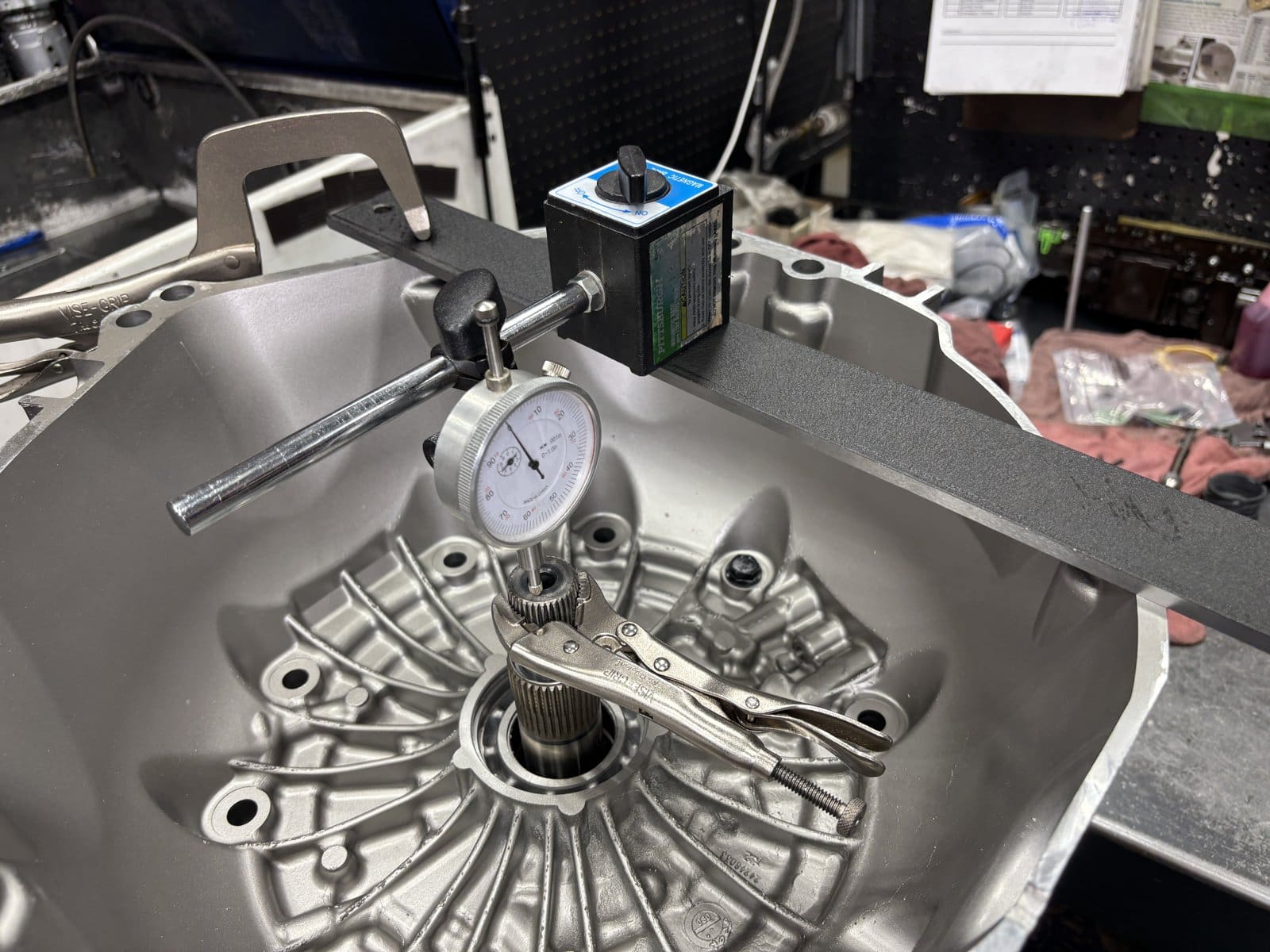
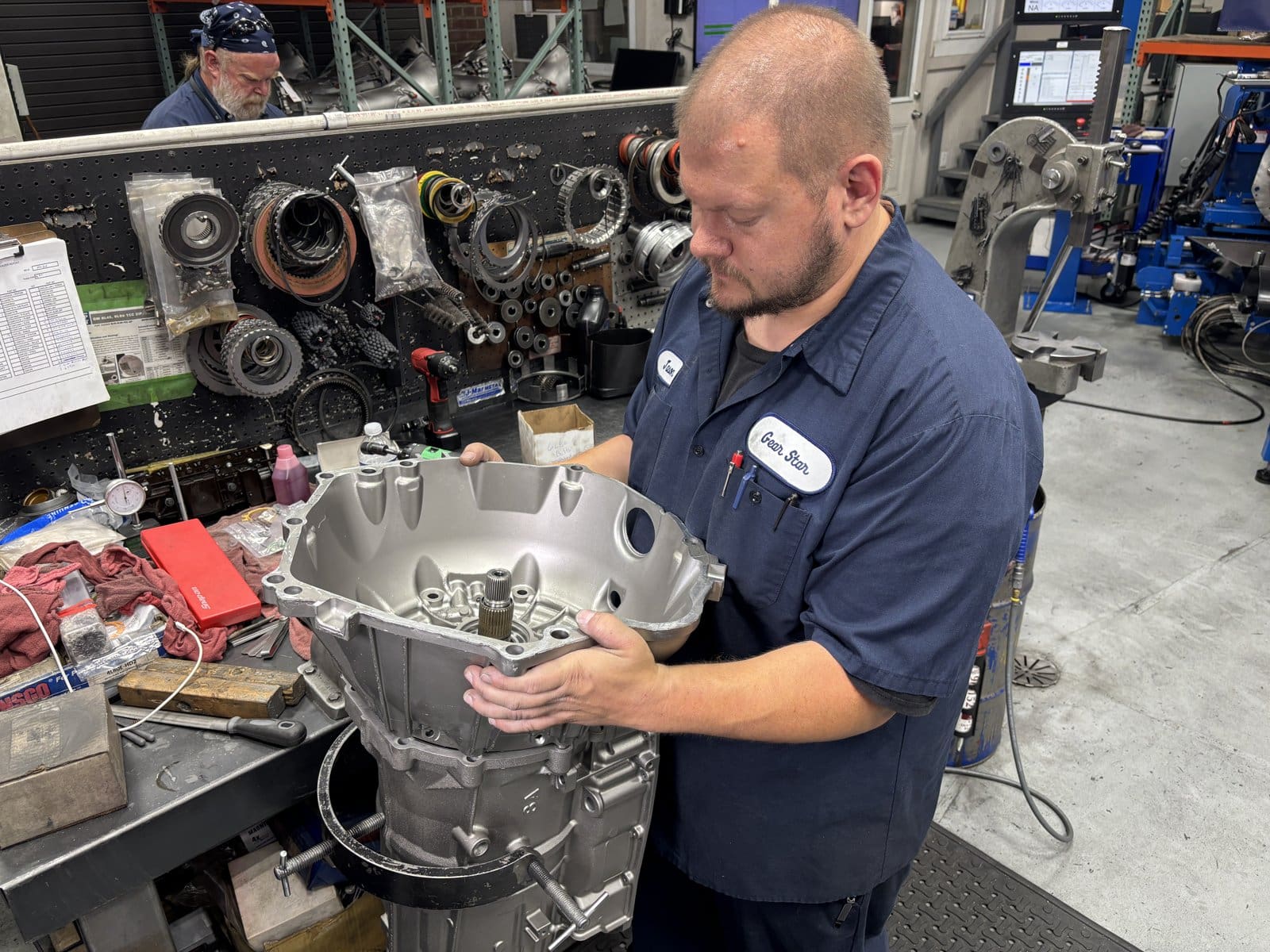
Gearstar builds the 6L80 and 6L90 among its late model five and six speed programs, assembled by one builder and dyno tested with a matched converter before shipping.
Frequently asked questions
Are the 6L80E and 6L90E interchangeable?
Conceptually similar and often discussed as interchangeable, but the 6L90E is larger, heavier, and rated much higher. Check physical fitment and driveline before assuming a swap between them.
How much power can a 6L80E handle?
Factory input torque rating is 440 lb-ft. Built properly, considerably more, but calibration and cooling become the limit before the case does.
How much power can a 6L90E handle?
531 lb-ft input torque from the factory, and around 700 horsepower in performance use.
Is the 6L80E good for an LS swap?
It is one of the better factory choices, with an 8,600 lb GVW rating and no modification required for the engine side. Budget for the tunnel and the electronics.
How do I tell a 6L80E from a 6L90E?
RPO tag first, MYC versus MYD. Physically, the 6L90E is the larger and heavier unit.
Have a 6L80E or 6L90E built to hold power
If you are picking between these two for a swap or a build, weigh the vehicle and be honest about what it tows. Then call Gearstar with the numbers and get a unit specified and dyno tested against them rather than sorting it out after the tunnel is cut.
Build it once. Build it to hold.
More From the Shop

The 200-4R Transfer of Power
It would make no sense to hook the RamJet 350 to a Powerglide when we have a...