

Car Transmission Repair Cost: What a Built Car Actually Pays
What Car Transmission Repair Cost Really Looks Like Behind a Built Engine
Ask three shops what a transmission repair costs and you get three numbers, and none of them apply to your car. Those quotes are priced off a stock commuter with 120,000 miles on it, and the moment there is a cam, a gear change, a converter, or another 200 horsepower in the equation, the parts, the labor, and the failure points all move.
The honest answer for a built car is a range, and the range is driven by four things: what failed, how deep in the unit it sits, whether it is being repaired or rebuilt, and the shop rate where you live. Below is how those tiers actually price out, what the maintenance side costs by comparison, and where the money genuinely gets saved over the life of the car.
The Four Things That Set the Number on the Invoice
A leaking pan gasket is an afternoon. A burnt clutch pack means the unit comes out, comes apart, and goes back together with new friction material, seals, and usually a valve body kit. Those are not the same job and they should not be compared as one.
On a modified car there is a fifth variable the general shop does not price: the internals are not factory parts anymore. Upgraded clutch packs, hardened shafts, and a converter matched to the combination cost more than the factory-spec replacements a chain shop stocks.
Labor is the line item most owners underestimate. Pulling a transmission, rebuild or swap, typically runs 6 to 10 hours of shop time depending on the car and the driveline layout. That number barely changes between a stock rebuild and a performance rebuild. The parts and the calibration are what separate the two, which is worth knowing before you decide to save money on the parts side.
Average Cost of Transmission Repair by Job Type
These are general industry ranges, not quotes. Region, platform, and shop all move them. Use them to plan, not to argue with an estimator.
| Job | Typical range | What you are actually buying |
|---|---|---|
| Fluid and filter service | $150 to $400 | Maintenance, not repair. Skipping it creates every row below. |
| Minor repair: solenoid, sensor, external leak | $300 to $1,500 | External work, unit usually stays in the car |
| Rebuild, internals replaced, case reused | $1,800 to $3,500 on a stock unit | More once upgraded clutches and a matched converter are in it |
| Full replacement, new or performance-built unit | $3,000 to $8,000 | Depends on transmission type and build spec |
Where a built car leaves those ranges is almost always the rebuild and replacement end. A stock-spec rebuild on a transmission living behind serious torque is money spent twice: once now, and again in a year when the same load kills the same clutch packs.
Why the Built Car Bill Is Higher, and Why It Is the Cheaper Path
A transmission repair on a modified car is rarely just a repair. It is the one chance to correct the mismatch that caused the failure. If a factory-rated unit gave up behind an engine making far more torque than it was engineered around, putting the same factory-rated parts back in schedules the next failure rather than preventing it.
That is the part a general repair shop is not set up to solve. Their job is to return the car to factory condition, and factory condition is exactly the condition that failed. Nobody there is speccing clutch count, line pressure, or stall against your cam and gear, because that is not the work they do.
So compare the right two numbers. The higher upfront cost of a build spec'd to the combination against two stock-spec rebuilds, the tow bills between them, the downtime, and the secondary damage a repeat failure drags through the rest of the driveline. On that math the expensive path is usually the cheap one.
Transmission Maintenance Cost Versus Repair Cost
Maintenance is cheap next to repair, and the gap is wider than most owners assume. A fluid and filter change runs a few hundred dollars. A clutch pack rebuild after that fluid cooked from years of heat cycling runs ten times that, more once labor and a converter are added.
ATF does not fail all at once. Heat degrades the additive package gradually, and by the time it looks dark on the dipstick or smells burnt, some of the damage to clutch material and seals has already happened. The dipstick is a report on wear that already occurred, not an early warning.
Cars that see track days, event weekends, or repeated launches run through that degradation faster than any interval printed in a factory manual accounts for. Cooler capacity matters as much as interval here. A transmission running 30 to 40 degrees cooler than it would on an undersized factory cooler holds fluid life longer and pushes every repair in the table above further out.
Transmission Maintenance Schedule for a Modified Car
Factory schedules assume factory power and factory driving. Neither is true of your car. A reasonable baseline for a built street car:
- Fluid and filter: every 15,000 to 25,000 miles on a daily-driven build. Every 3,000 to 5,000 miles, or after every event weekend, on anything seeing the track or the strip.
- Cooler line and fitting inspection: every fluid service. Case flex under real torque works fittings loose faster than it does on a stock car.
- TV cable adjustment: every fluid service on a TH350, 700R4, or 200-4R. It drifts, and it sets line pressure and shift timing directly.
- Pan bolt torque: annually, or after any stretch of sustained hard use, for the same case flex reason.
None of that is expensive on its own. The rebuild bill is the deferred version of this list: the service skipped for two years, the cooler line nobody checked, the cable nobody touched since the swap.
Manual Transmission Maintenance Costs Less, Until It Does Not
Manual transmission maintenance runs cheaper per service than automatic work. No valve body, no converter, less fluid volume to manage. Gear oil is the core interval, typically every 30,000 to 50,000 miles on a street car and shorter on anything running high torque or seeing regular track use, because gear oil breaks down under sustained load the same way ATF does.
Clutch wear is the other half of the ledger, and it tracks driving style rather than mileage. Launches and slipping the clutch to manage wheelspin burn friction material far faster than street miles do.
The two paths converge on what happens when maintenance gets skipped. Degraded gear oil accelerates synchro wear the way degraded ATF accelerates clutch pack wear, and a synchro rebuild is not a small bill either.
When Repair Costs More Than It Is Worth
The usual rule, walk away once the repair approaches the value of the car, was written for stock cars. It does not survive contact with a build. The engine, the suspension, the paint, the years of weekends: none of that shows up in a valuation guide.
The real question on a modified car is narrower. Can the transmission being repaired hold what the rest of the build puts through it? If the answer is no, repairing it to the same spec is paying to arrive at the same failure again. If the answer is yes, fix it and drive it.
Pay It Once
Every number in this piece resolves to one decision: is this transmission built for the power it lives behind, or is it waiting to remind you that it is not.
That is the reasoning behind how Gearstar builds. One technician assembles each unit start to finish, so there is a name attached to the work. It is spec'd to your engine, your gearing, and how the car actually gets driven, not to an average. It is dyno tested for 100 miles before it ships and you get the video of your own transmission on the dyno, not a stock clip. The build carries a warranty. The invoice buys a unit already proven under load rather than one whose first real test is your driveway.
Tell us the combination: engine, cam, gear, tire, converter target, and weight. We will spec the unit around it.
Pay for it once, and drive it.
FAQs
How much does car transmission repair cost? It depends on the tier of the job. Fluid and filter service runs roughly $150 to $400, minor external repairs like a solenoid, sensor, or leak run roughly $300 to $1,500, a rebuild with the case reused runs roughly $1,800 to $3,500 on a stock unit, and full replacement runs roughly $3,000 to $8,000. Performance builds sit above the stock rebuild figures because the clutches, hard parts, and converter are upgraded.
What is the average cost of transmission repair on a modified car? Higher than the published averages, because those averages price factory parts into a factory car. A rebuild that costs $1,800 to $3,500 in stock trim goes up once upgraded clutch packs, hardened hard parts, and a converter matched to the cam and gear are in it. The labor is nearly identical either way, 6 to 10 hours of shop time. The parts and the calibration are the difference.
Is transmission maintenance cost worth it compared to repair? Yes, by roughly a factor of ten. A fluid and filter service is a few hundred dollars. The clutch pack rebuild that follows years of cooked fluid runs ten times that once labor and a converter are added. Fluid degrades gradually as heat breaks down the additive package, so the money spent on interval and cooler capacity is buying back wear you would otherwise pay for later.
What is a good transmission maintenance schedule for a built car? Fluid and filter every 15,000 to 25,000 miles for a daily-driven build, and every 3,000 to 5,000 miles or after every event weekend for track and strip cars. Inspect cooler lines and fittings at every service, check TV cable adjustment at every service on cable-controlled units, and re-torque pan bolts annually or after sustained hard use.
Does manual transmission maintenance cost less than automatic? Per service, yes. There is no valve body, no torque converter, and less fluid to manage. Gear oil changes every 30,000 to 50,000 miles on a street car are the core interval, shorter under high torque or regular track use. Clutch wear is the variable cost and it follows driving style, not mileage. Skip the gear oil and synchro wear costs the same kind of money a clutch pack rebuild does.
Why is automatic transmission maintenance cost higher on a performance car? More fluid, a converter in the system, and far more heat. Repeated launches and track use push ATF past the point where the additive package survives the printed factory interval, so the service comes around more often. Adding cooler capacity is the cheapest way to slow that clock.
Should transmission repair and maintenance be done at a general shop? For fluid service, external leaks, and sensors, a competent local shop is fine. For a rebuild behind a built engine, the general shop's job is returning the car to factory condition, and factory condition is what failed. That work belongs with someone speccing clutch count, line pressure, and stall against your actual combination.
More From the Shop
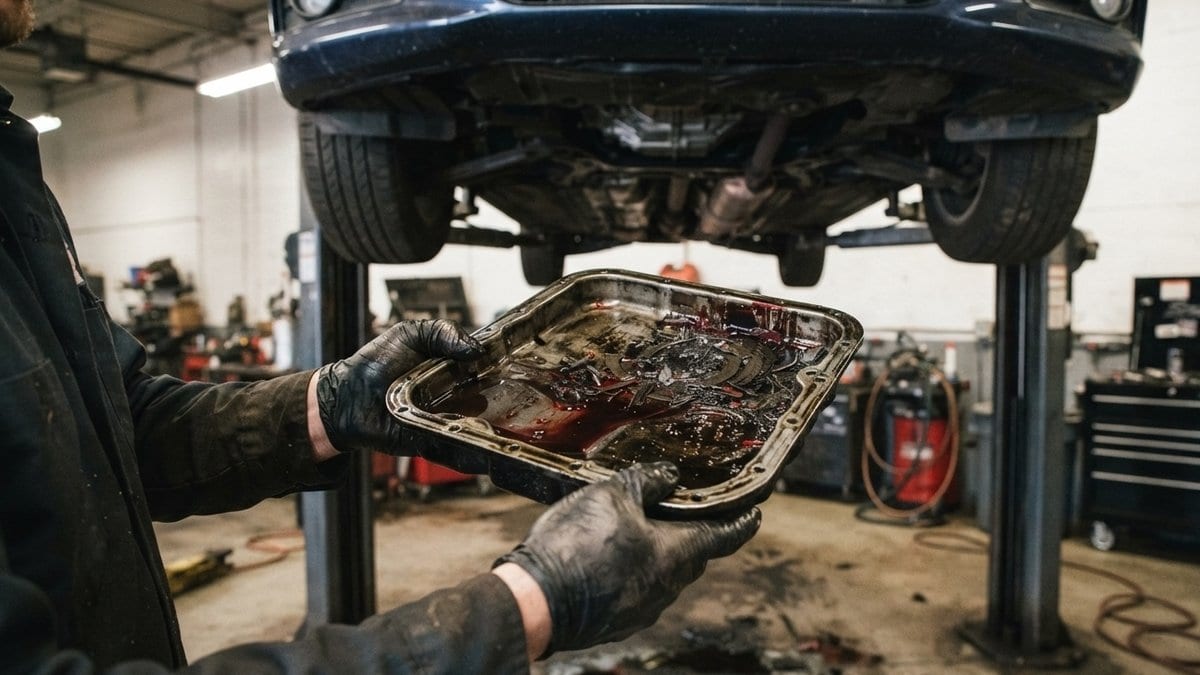
How Long Does a Transmission Last? Mileage Is the Wrong Number
A healthy automatic in a stock car runs 150,000 to 250,000 miles. Behind a built...
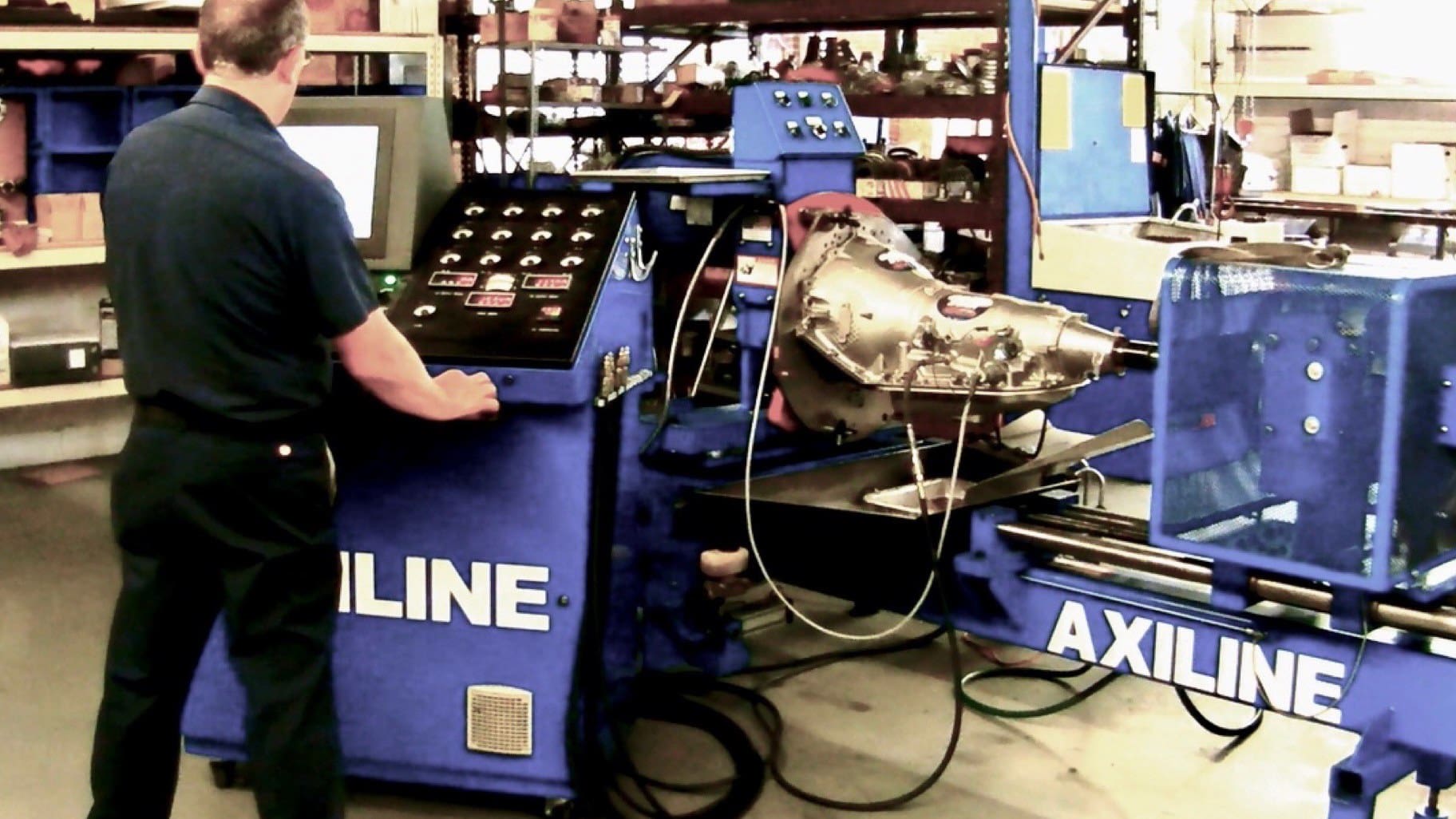
Rebuilt, Remanufactured, or Built: Three Words the Industry Uses Loosely
Ask three shops for a transmission quote and you might get three very different...
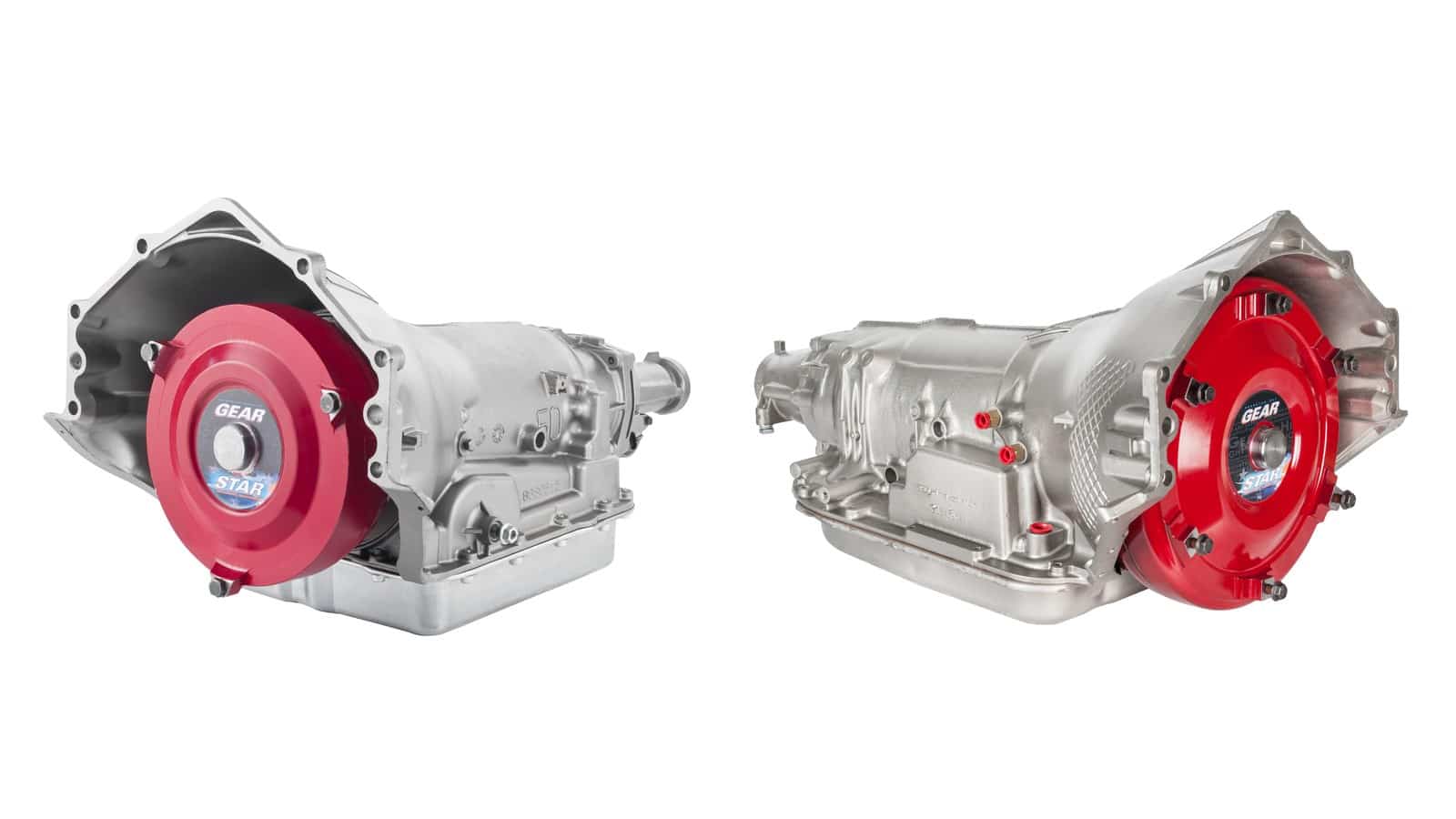
4L60E vs. 4L80E: Which GM Transmission Is Right for Your Build?
The 4L60E vs 4L80E question usually shows up as a horsepower question. How much can...