
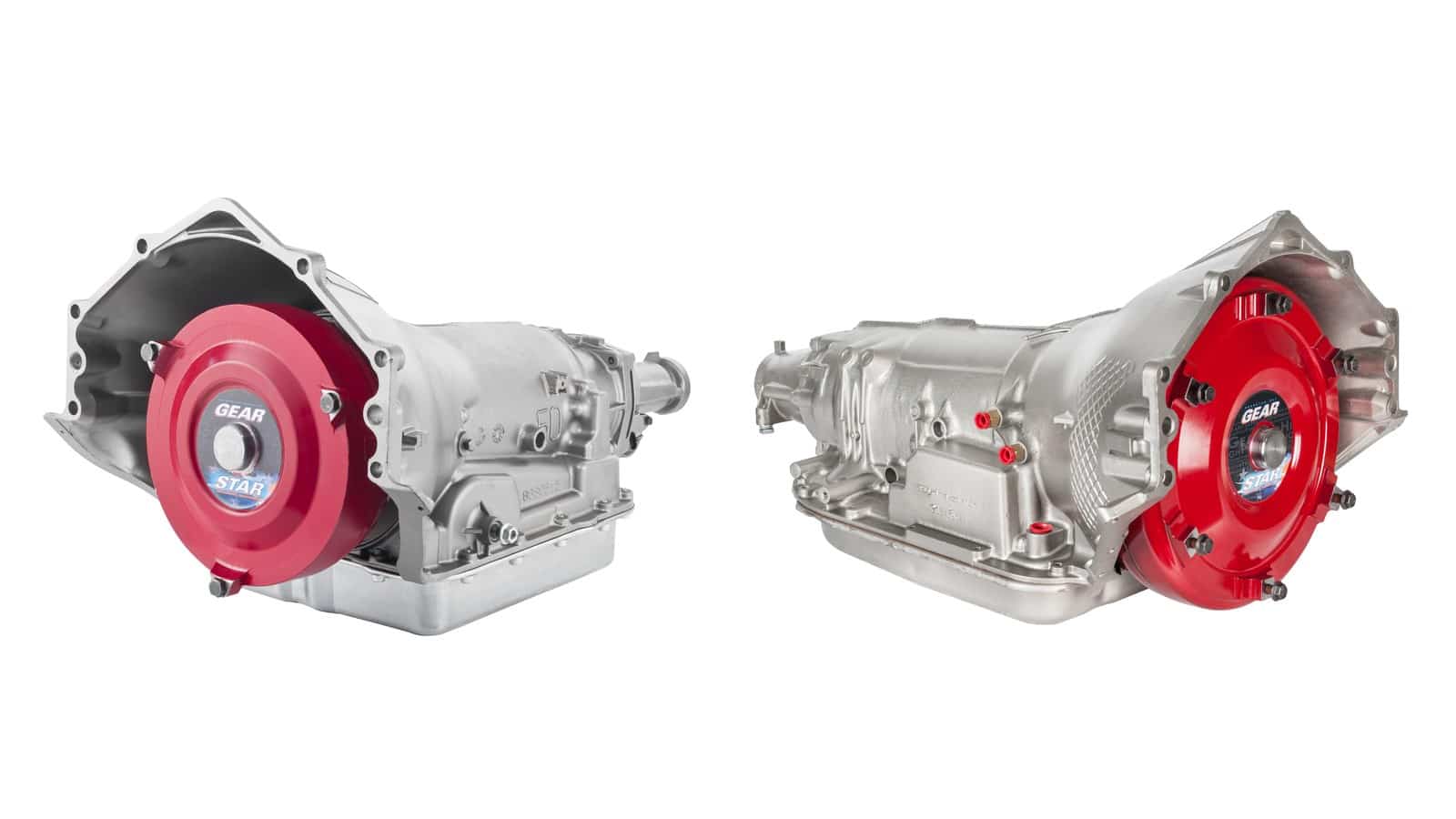
4L60E vs. 4L80E: Which GM Transmission Is Right for Your Build?
4L60E or 4L80E: Start With the Application, Not the Horsepower Number
The 4L60E vs 4L80E question usually shows up as a horsepower question. How much can a 4L60E take, and at what point do you need the bigger transmission? Horsepower matters, but it is not what decides the recommendation. When a customer calls us, the first things we ask for are the vehicle's year, make, model, engine, horsepower and intended use. The right transmission comes out of that whole picture.
This guide covers where each transmission fits, the point where we start steering builds toward a 4L80E, and the fitment and supporting parts that turn a simple swap into a real project if nobody plans for them.
The Two Transmissions in One Paragraph Each
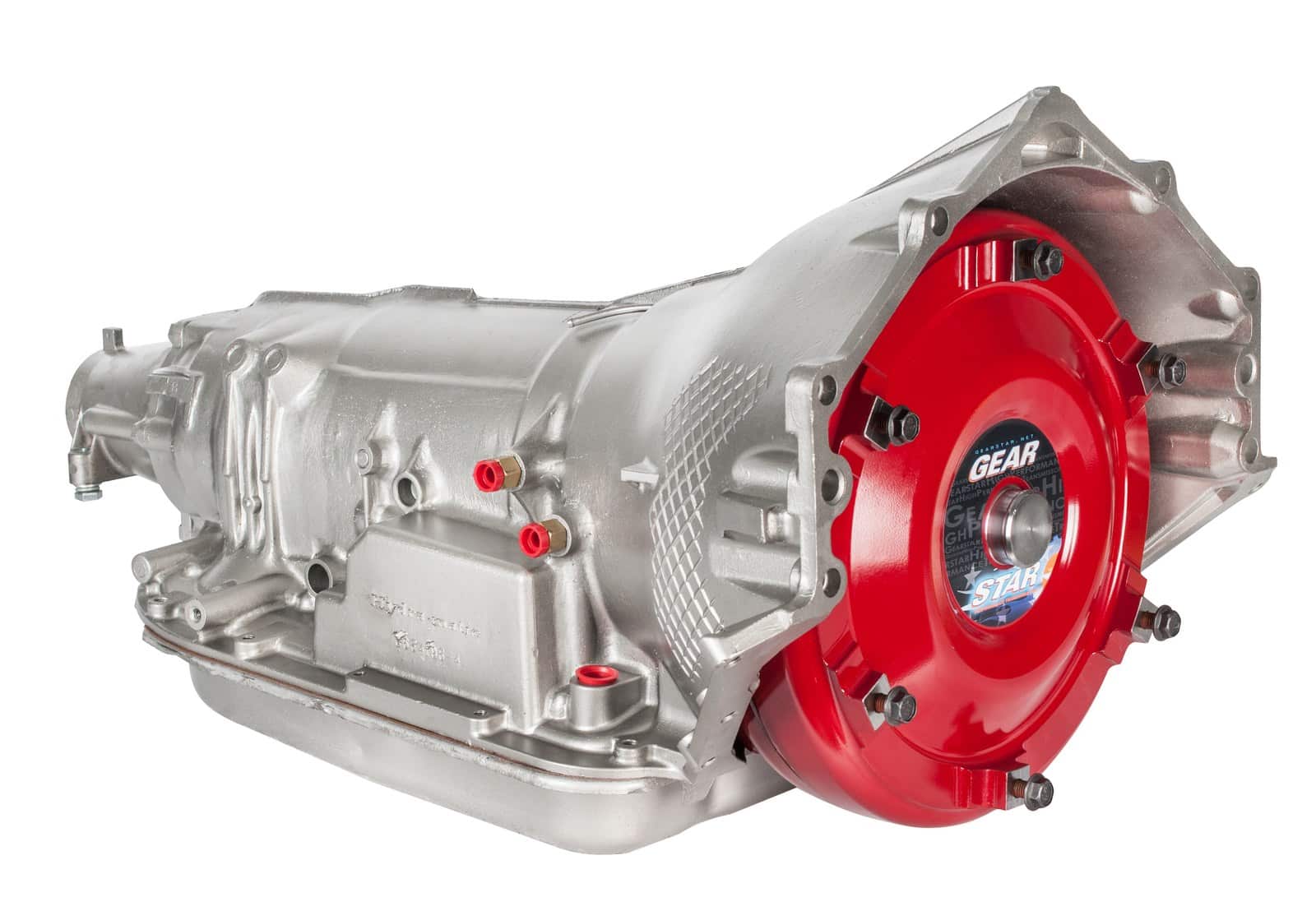
4L60E. GM's electronically controlled four-speed overdrive automatic, the electronic successor to the 700R4. It went into a long list of cars, trucks and SUVs from the early 1990s on, which is why it shows up in so many swaps and street builds. It is compact, relatively light, and it has a deep first gear that helps a car leave hard.
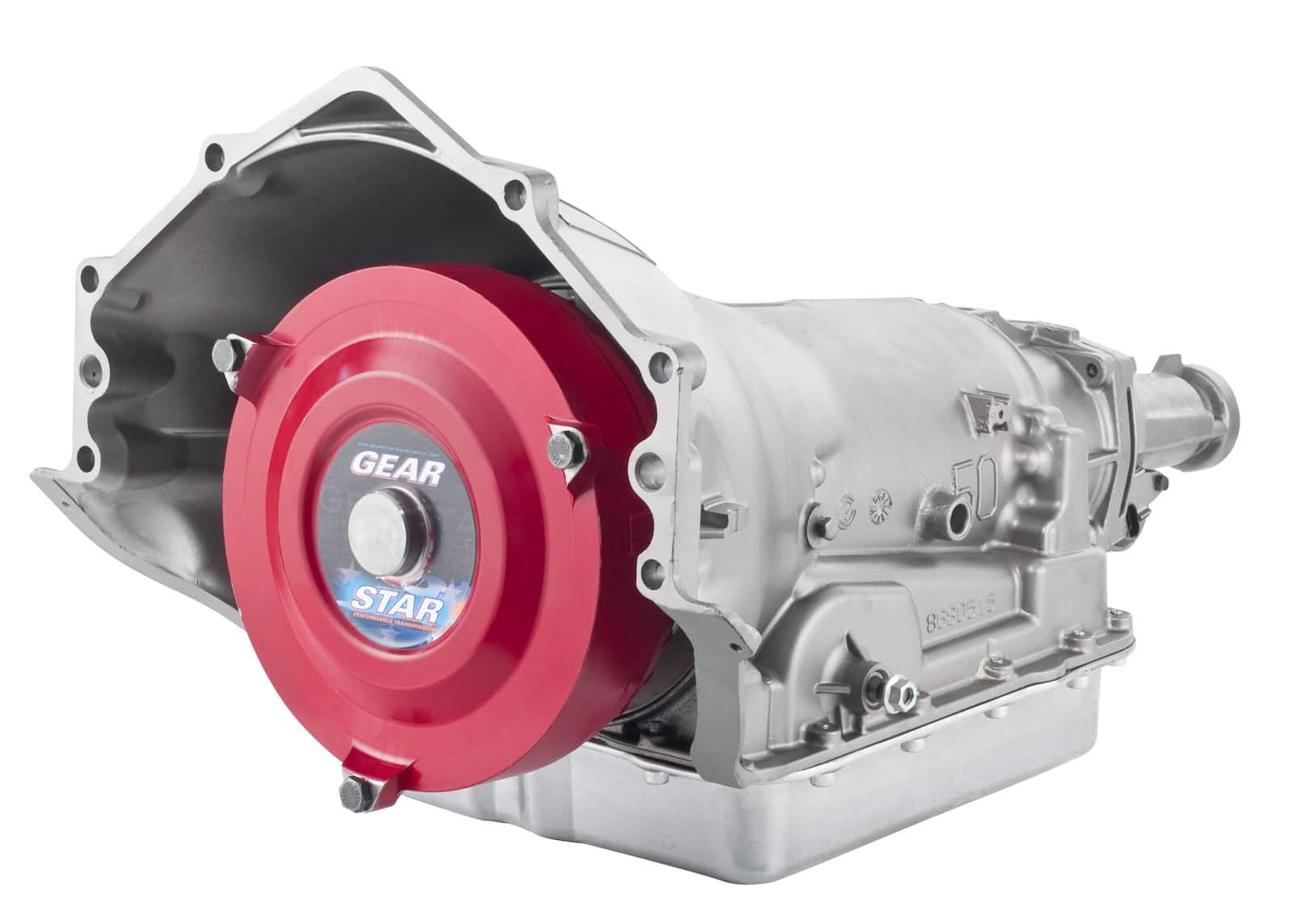
4L80E. GM's heavy-duty electronically controlled four-speed, descended from the TH400 and built for three-quarter and one-ton trucks and vans. It is physically bigger and heavier than the 4L60E, with a stronger geartrain and more clutch capacity. That extra size is the reason it holds up at higher loads, and it is also the reason it takes more work to fit.
Side by Side
| 4L60E | 4L80E | |
|---|---|---|
| Family | Electronic successor to the 700R4 | Electronic heavy-duty unit descended from the TH400 |
| Gear ratios | 3.06 / 1.63 / 1.00 / 0.70 | 2.48 / 1.48 / 1.00 / 0.75 |
| Size | Compact, lighter | Larger, longer and heavier |
| Where it fits best | Street builds and swaps where the power and duty stay in range | High horsepower, extreme duty, drag racing, planned power upgrades |
| Fitment work | Usually less, but not zero | Often needs tunnel or firewall clearance plus crossmember and driveshaft changes |
| Control | Both are electronically controlled and need a compatible controller and harness | |
The gear ratios are worth a second look. The 4L60E's 3.06 first gear multiplies torque harder off the line than the 4L80E's 2.48. Move a car from one to the other without thinking about rear-end gearing and it will feel different leaving a light. That is one more reason the rear gear belongs in the conversation before anything gets ordered.
When We Start Looking at a 4L80E
We generally start looking at a 4L80E when an application:
- Makes more than roughly 650 horsepower
- Sees extreme-duty or drag-racing use
- Has future horsepower upgrades planned
A built-engine 4x4 running large tires is another application where the stronger transmission may make sense. Bigger tires add rotating mass and leverage, and that load goes through the transmission every time the truck moves.
The future plans part catches people out. A combination that makes 550 horsepower today and has a bigger turbo on the shelf for next season should be spec'd for where it is going, not where it is now. Buying the transmission twice costs more than buying the right one once.
Under those thresholds, a built 4L60E-family transmission is often still the right call, especially in a lighter car, a tight tunnel, or a build where keeping the swap simple matters. But horsepower alone does not decide it. Two cars at the same number can need different transmissions because of weight, tire, gearing and how they are driven.
What a Swap Really Involves
Fitment and installation costs depend heavily on what is already in the vehicle. This is where most of the surprises live.
Moving From a Three-Speed to an Overdrive
A car originally equipped with a TH350 may have room for a 700R4 or a 4L60-family transmission. That does not make the complete conversion modification-free. Going from a three-speed to an overdrive transmission can require:
- Crossmember changes
- A different driveshaft length
- The correct slip yoke
4L80E Clearance
The 4L80E is the bigger unit, and it can require additional firewall or tunnel clearance. Two areas to check before you commit:
- The side-mounted main harness connector, which needs room on the side of the case
- Clearance toward the rear of a tight transmission tunnel
Measure the tunnel against the transmission you are planning to run, not against the one coming out. On some vehicles the 4L80E drops in with minor work. On others the tunnel needs real attention.
The Control System
Both of these are electronically controlled, so either one needs a compatible control system. The controller, the harness and the specific transmission configuration all have to be matched before ordering. A controller set up for one configuration will not necessarily run another, and that is a problem you want to find on the phone, not in the driveway.
The Converter
Converters do not swap between these two transmissions. The 4L80E uses its own converter, and even within the 4L60E family the converter has to match the specific configuration. We cover the details in will a 4L60E torque converter fit a 4L65E or a 4L80E. Stall speed gets spec'd to the build, the same way the transmission does. See choosing the right stall converter for what we need to spec one.
Plan the Whole Combination Early
Many customers are still choosing their crossmember, driveshaft and rear-end gearing when they call us. That is a good time to call. Talking through the complete combination early helps avoid buying parts that do not work together, like a driveshaft cut for the wrong transmission length or a crossmember that puts the mount in the wrong place.
Before you call, have this ready:
- Year, make and model
- Engine and peak horsepower and torque
- Any power adders, now or planned
- Intended use: street, towing, drag racing, off-road
- Vehicle weight and tire size
- Rear-end gear ratio, and whether it is changing
- What transmission is in the vehicle now
The Takeaway
Choose the transmission around the application and your future plans. Then work through fitment and supporting components before treating it as a straightforward swap. The 4L60E is the right answer for a lot of builds. The 4L80E is the right answer when the power, the duty or the plans call for it. Either way, the transmission should be built for the combination it is going behind.
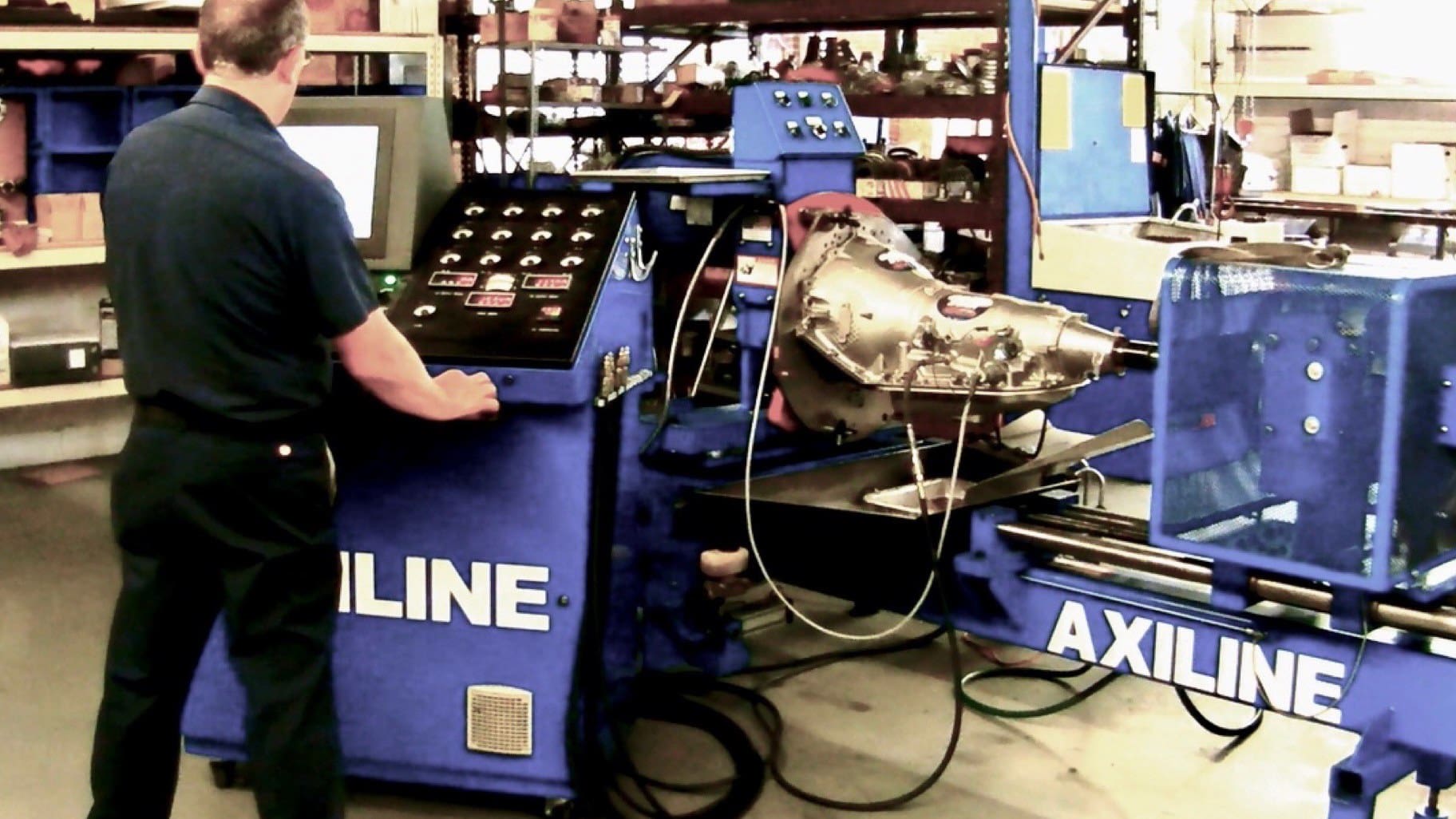
That is how Gearstar builds every unit. One technician assembles it start to finish, it is matched to your engine, gearing and how you drive, and it is dyno tested before it ships. Browse our 4L60E transmissions and 4L80E transmissions, or tell us about your build and we will spec the right one.
FAQs
Is the 4L80E stronger than the 4L60E? Yes. The 4L80E is GM's heavy-duty four-speed, descended from the TH400, with a larger geartrain and more clutch capacity. That strength comes with more size and weight, so it is not automatically the better choice. It makes the most sense when the horsepower, duty or future plans call for it.
How much horsepower before I need a 4L80E? We generally start looking at a 4L80E when an application makes more than roughly 650 horsepower, sees extreme-duty or drag-racing use, or has horsepower upgrades planned. Horsepower alone does not decide it. Vehicle weight, tire size, gearing and intended use all change the answer.
Will a 4L80E fit where a 4L60E or TH350 was? Sometimes, with work. The 4L80E is larger and can need additional firewall or tunnel clearance, especially around the side-mounted main harness connector and toward the rear of the tunnel. Expect crossmember and driveshaft changes as well. Measure before you buy.
Do I need a controller for a 4L60E or 4L80E swap? Yes. Both are electronically controlled and need a compatible control system. The controller, harness and specific transmission configuration need to be matched before ordering.
Can I use my 4L60E torque converter on a 4L80E? No. The 4L80E uses a different converter. Even within the 4L60E family, the converter has to match the specific configuration, so converters should not be treated as interchangeable.
Does going from a TH350 to an overdrive transmission need modifications? Usually. A car that came with a TH350 may have room for a 700R4 or 4L60-family transmission, but the conversion can still require crossmember changes, a different driveshaft length and the correct slip yoke.
More From the Shop
Rebuilt, Remanufactured, or Built: Three Words the Industry Uses Loosely
Ask three shops for a transmission quote and you might get three very different...
What Kind of Transmission Fluid Does a 4L60E Take?
The 4L60E has earned its place as one of General Motors' most successful automatic...
Which is better, 200R4 or 700R4?
The 200R4 vs 700R4 debate has been going on for decades, and for good reason. Both...