
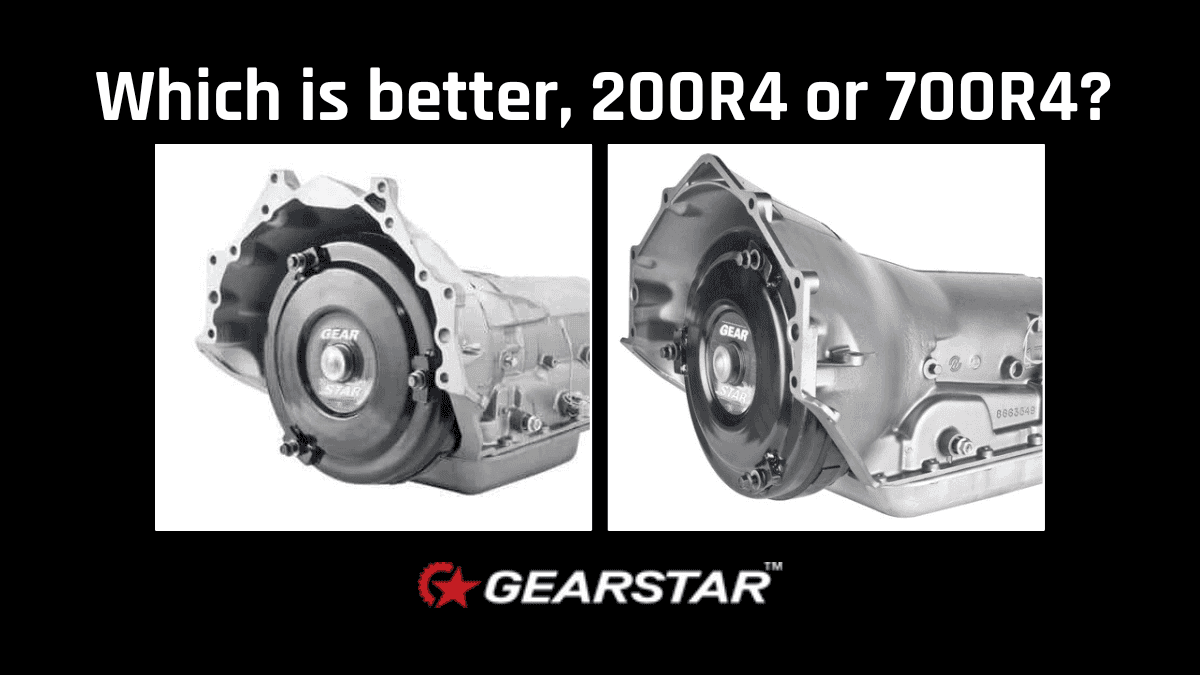
Which is better, 200R4 or 700R4?
The 200R4 vs 700R4 debate has been going on for decades, and for good reason. Both transmissions became popular during the rise of overdrive performance automatics, and both still show up regularly in muscle cars, restomods, street rods, and classic GM builds today.
At a glance, they seem similar. Each offers four forward gears, overdrive capability, and lockup converter compatibility. Both are also common upgrades for enthusiasts looking to replace older three-speed automatics like the TH350 or TH400.
What makes the decision difficult is that neither transmission is automatically better. A heavy Chevelle with a torque-heavy big-block may respond very differently from a lightweight G-body street car. Rear gearing, tire size, engine powerband, and intended use all play a role in determining which transmission works best.
Origins of the 700R4 and 200R4
The 200R4 transmission, frequently referred to as the 2004R or 200-4R, gained popularity in GM G-body cars during the 1980s. Vehicles like the Buick Grand National, Monte Carlo SS, and Oldsmobile Cutlass helped establish its reputation among performance enthusiasts. Although originally introduced during the fuel economy era, the transmission eventually proved capable of handling respectable power when properly upgraded.
The 700R4 arrived around the same time but was aimed more toward heavier-duty applications. GM used it in trucks, Camaros, Corvettes, and full-size performance vehicles. It later evolved into what became known as the 4L60.
Both transmissions became attractive swap candidates because they offered something older automatics could not: highway-friendly overdrive without sacrificing street performance.
That combination still matters today. Most enthusiasts want strong acceleration and reasonable cruising rpm in the same package.
200R4 vs 700R4 Gear Ratios
One of the biggest differences between these transmissions is the first gear ratio.
The 700R4 uses a steep 3.06 first gear, while the 200R4 starts with a 2.74 first gear.
That deeper first gear gives the 700R4 a harder launch feel, especially in heavier vehicles. Trucks and larger muscle cars often benefit from the additional leverage.
The 200R4 delivers a more balanced ratio spread. The closer gearing between first and second is a genuine advantage in performance applications. The tighter 1-2 shift allows the engine to stay within its powerband through acceleration. With the 700R4's jump from 3.06 to 1.63, the transmission gets the vehicle moving quickly off the line, but the wider spread between those two gears means the engine has to work harder to climb back into the powerband after the shift. Many enthusiasts prefer how naturally the 200R4 keeps the engine in its sweet spot through the gears.
Their overdrive ratios are also slightly different. The 700R4 uses a 0.70 overdrive, while the 200R4 uses a 0.67 overdrive.
In real-world driving, both transmissions dramatically reduce highway rpm compared to older three-speed automatics.
Physical Size and Installation Differences
The 2004R is dimensionally the same size as a TH350, which makes it an ideal choice for builders working with tight engine bay or tunnel constraints in early hot rods who still want the benefit of an overdrive transmission. While the overall footprint matches the TH350, one installation detail to plan for is the transmission mount, as its position sits further back and higher than that of a TH350, which means a TH400-style crossmember is typically required.
Another advantage is the multi-pattern bellhousing, which works with Chevrolet and BOP engine patterns.
The 700R4 is physically larger and usually requires more installation work. Crossmember relocation, driveshaft shortening, and tunnel clearance concerns are more common.
Still, many builders accept the extra effort because the larger case contributes to the 700R4’s reputation for strength.
Strength and Durability
The 700R4 is commonly viewed as the stronger transmission, particularly in high-torque applications. Its larger internal components generally tolerate abuse better in heavier vehicles.
That does not mean the 200R4 is weak.
In fact, Gearstar's Level IV 2004R is rated for engines producing up to 750 horsepower or 700 ft-lbs of torque, outpacing the Level IV 700R4, which is rated up to 650 horsepower or 600 ft-lbs of torque.
A properly built 200R4 can survive impressive horsepower levels with upgraded internals, improved servos, hardened shafts, and proper calibration. Much of the transmission's "weak" reputation comes from worn factory units rather than modern performance builds.
Build quality matters more than internet reputation. A poorly assembled transmission will fail regardless of whether it is a 700R4 or 200R4.
How Each Transmission Feels on the Street
The 700R4 tends to feel more aggressive during acceleration because of its steep first gear. Many drivers like the strong launch characteristics, especially in heavier vehicles.
In lightweight cars, however, that same gearing can sometimes feel excessive. Traction problems become more noticeable when power levels rise.
The 200R4 usually feels smoother and more balanced during normal street driving. Gear spacing is tighter, and many enthusiasts prefer how naturally the transmission moves through the rpm range.
Converter choice also changes how either transmission behaves. Two similar builds can feel completely different depending on stall speed and calibration.
Which Transmission Works Better for Different Builds?
One of the first questions worth asking is whether you want to spend a little more money upfront getting the 2004R to fit, or spend it on the backend picking up the additional parts the 700R4 swap typically requires.
Price is a real difference between the two. Performance and upgraded parts for the 2004R are not as easy to come by, since fewer companies are making them. The 700R4 has an advantage there, because it shares a lot of components with the 4L60E, performance parts are more widely available, and a little easier to find.
Classic Muscle Cars
Both transmissions work well in classic muscle cars. The 700R4 often delivers stronger off-the-line acceleration, while the 200R4 can offer easier installation and smoother gear progression.
Early Street Rods
The 200R4 is often a strong choice for early street rods where space is at a premium. If the current build is already running a TH350, moving to a 2004R is an easy switch, since their identical dimensions mean no clearance headaches, and the milder first gear helps keep traction in check.
Highway Cruisers
Both transmissions dramatically improve highway driving comfort. Lower cruising rpm reduces engine noise, fuel consumption, and wear during long-distance driving.
Torque Converter Considerations
Converter selection matters just as much as transmission choice.
Stall speed must match the engine combination, rear gearing, vehicle weight, maximum RPM shift point, and intended use. A converter that looks good on paper but does not account for how and where the vehicle will actually be driven can create excessive heat, sluggish response, or poor drivability.
Many hobbyists focus only on advertised stall speed numbers without considering the complete combination. That usually leads to disappointing performance.
An experienced builder will typically ask about horsepower, camshaft specs, tire size, and vehicle weight before recommending a converter setup.
Common Problems With the 700R4 and 200R4
TV cable adjustment issues are one of the biggest causes of failure in both transmissions. Incorrect adjustment affects line pressure and can destroy the transmission quickly.
Heat is another major problem. Excessive transmission temperature shortens clutch life and damages internal components.
Stock factory internals also become weak points once horsepower increases significantly. That is why upgraded hard parts, proper calibration, and quality cooling systems are so important in performance applications.
Many transmission failures blamed on “bad designs” are actually caused by improper setup.
So, between 200R4 vs 700R4, Which One Is Better?
The reality is that the best transmission depends on the vehicle combination. Engine output, rear gearing, tire size, vehicle weight, and driving style all influence the decision. Modern professionally built versions of both transmissions are far more capable than the factory originals that shaped many old opinions.
In general, though, the 700R4 works extremely well in heavier vehicles and torque-focused builds where aggressive acceleration matters most, while the 200R4 shines in lighter cars, G-body applications, and builds where smoother ratio spacing and easier installation are priorities.
Talk With a Transmission Builder Before Making the Swap
Too many transmission decisions are based entirely on forum arguments or outdated information. What works perfectly in one vehicle may feel completely wrong in another. Before choosing between a 700R4 and 200R4, it helps to evaluate the complete build honestly. Horsepower, gearing, tire size, vehicle weight, and intended use all matter.
That is why custom-built transmissions continue to matter in the performance world. At Gearstar, every transmission is built by a single technician and dyno tested before shipping, allowing the transmission to be matched more precisely to the vehicle combination it was designed for.
Get in touch with us today to get help picking the right transmission for your build, or request an estimate for a custom-built high-performance transmission.
More From the Shop
6L80 Transmission 4x4 vs 6L80 Transmission 2WD: What’s The Difference
If you've spent any time planning a late-model GM swap or sourcing a replacement...
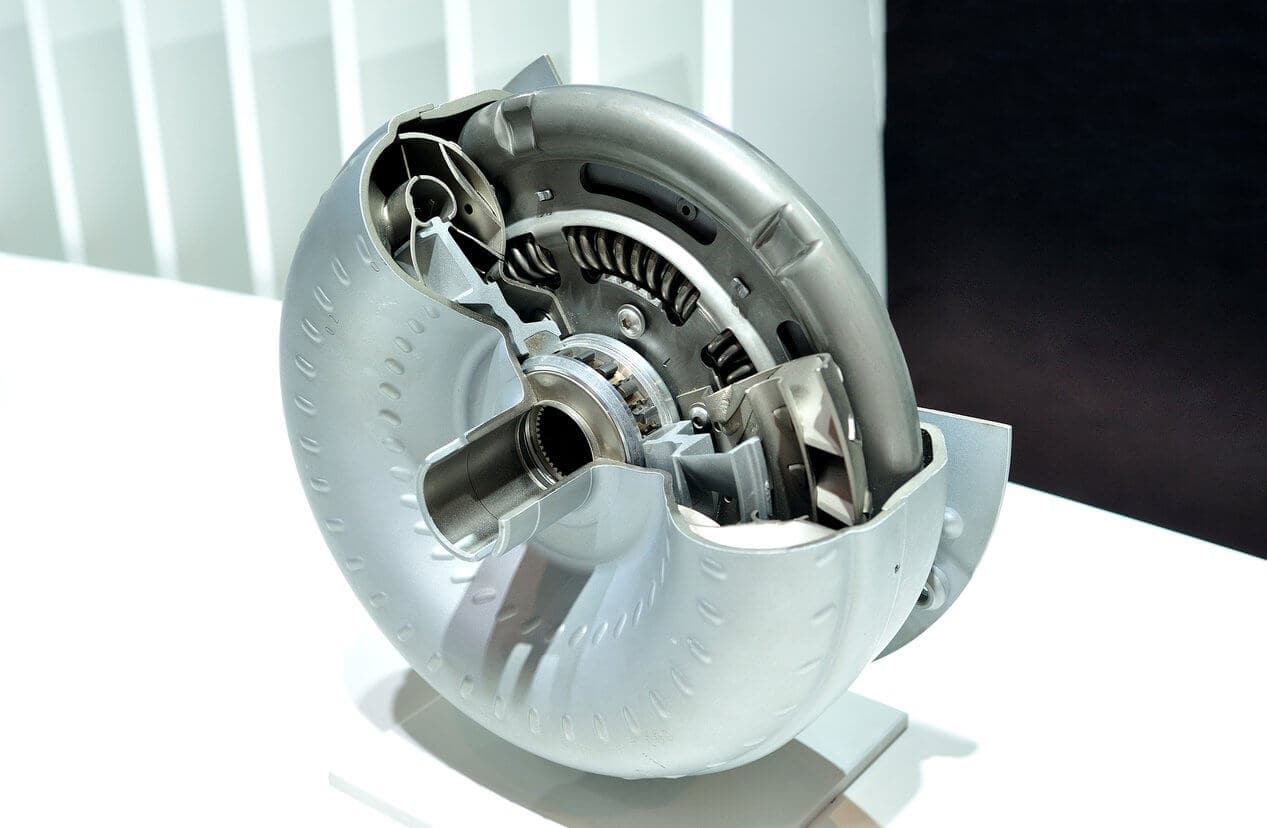
How the Right 700R4 Torque Converter Transforms Performance
If you’ve ever finished a round of engine upgrades: camshaft, intake, headers,...
Automatic Transmission vs Manual: What You Need to Know for Performance Builds
When building a performance car, restoring a classic, or assembling a street/strip...