
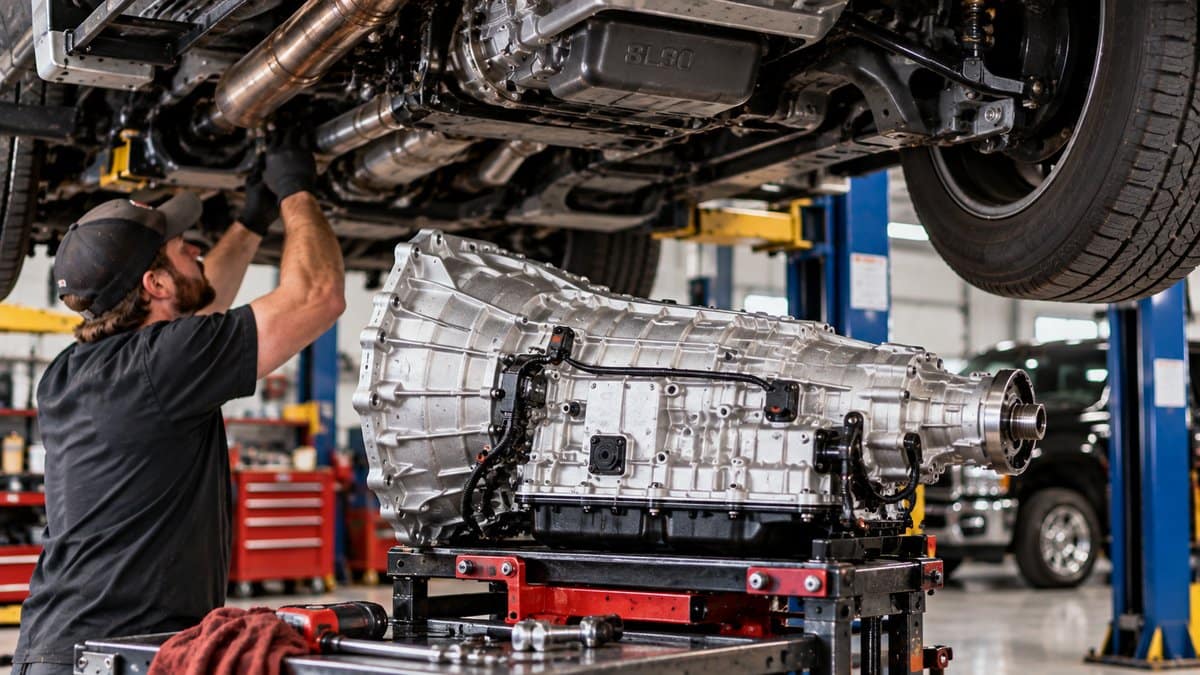
8L90 Transmission Problems: What Fails First Behind Real Power
The 8L90 Transmission Problems That Show Up First on a Modified Car
Five things account for most 8L90 complaints: torque converter shudder, harsh or delayed shifts, slip under load, heat, and valve body or solenoid wear. Behind a stock LT they take years to surface. Behind a cam, a blower, gear, and a tire that hooks, they surface early, and usually in that order.
The 8L90 is one of the strongest automatics GM has put in a production vehicle. Eight speeds, fast shifts, and enough capacity to live behind a Corvette, a Camaro, an Escalade, or a Silverado with a trailer on it. Strong for a factory application is not the same as strong for yours. Every item below is a factory part living at a load nobody spec'd it for, and each one has a real fix and a fake one.
Torque Converter Shudder Between 30 and 80 MPH
This is the complaint the 8L90 is known for. Light throttle, cruise speed, and the car feels like it rolled onto rumble strips. It comes and goes with load and temperature, which is exactly why people chase it in the wrong place.
The mechanism is the converter clutch slipping instead of applying clean. On early 8L90 units the fluid lost its friction properties and the clutch stopped holding the way the calibration expected. So the TCM keeps commanding apply, the clutch keeps slipping, and the slip makes more heat, which degrades more fluid.
The real fix, in order:
- Full fluid exchange with GM's updated fluid, not a drain and fill. Partial service leaves the degraded fluid in the converter and cooler where it is doing the damage.
- TCM software update. GM revised the converter clutch calibration, and on a lot of cars the update plus the fluid ends the shudder.
- If the converter is already worn, it gets replaced. Nothing else is permanent at that point.
The mistake worth naming: shudder gets blamed on a misfire, a tire balance, or a driveshaft angle. Builders replace plugs, coils, and sometimes a whole set of tires before anyone puts a scan tool on the converter clutch slip. Check slip first. It costs nothing and it is the actual answer most of the time.
On a build, shudder is also a spec question. The factory converter clutch material and apply strategy were chosen against the factory torque curve. Change the curve with a cam or boost and the clutch is now holding a load it was never rated for. When that friction material breaks down, the debris circulates through the transmission and can contribute to valve body problems and overheating, so ignoring the shudder just spreads the damage.
That is why Gearstar's six- and eight-speed transmissions use a custom billet Yank Performance converter. We bond the converter friction material in-house, using a high-energy friction material, and we change the converter clutch apply strategy from PWM to an on/off style application to improve durability. On the 8L90, that apply change is made in the tune file. If you run HP Tuners, we will walk you through it, or you can send us a copy of your calibration file and we will make the change. Shudder still gets diagnosed first. Not every case has the same cause, and the right fix depends on what is actually slipping.
Harsh or Delayed Shifts
Hard hits going up through the gears, a beat of hesitation before it changes, or a jerk under part throttle. Three causes, and they are worth separating before anything comes apart.
- Outdated calibration. GM shipped shift table revisions. A car that never got them can shift badly while being mechanically perfect.
- Shift solenoid wear. Pressure control gets sloppy, apply timing drifts, shift quality goes with it.
- Valve body wear. Bore wear bleeds hydraulic pressure. Small pressure loss produces harsh shifts long before anything fails outright.
A scan and a pressure check tells you which one you have. Software problems get software. Hydraulic problems get parts. Driving on harsh shifts is what turns a solenoid job into a clutch pack job, because every hard hit is energy going through the packs instead of around them.
Hard Downshifts Coming to a Stop
The jolt on decel, usually the 3-2 or 2-1. Calibration is the first suspect and the cheapest to rule out. If the car is current on software and it still bumps, that is pressure control, and pressure control problems on the 8L90 point at the valve body.
Frequency is the tell. An occasional bump is a shift table. A bump that shows up every stop, then brings gear hunting or delayed engagement with it, is wear that is progressing. Fix it at the valve body while it is still a valve body.
Slip Under Acceleration
RPM climbs, the car does not. On the 8L90 this means the clutches stopped holding torque, and it comes from wear, low line pressure, or heat that cooked the friction material.
There is no adjustment for slip. Check fluid level and condition first because low or burnt fluid causes it and costs nothing to rule out. Past that the unit comes apart. If the engine got built and the transmission did not, this is the bill for that decision, and putting the same factory clutch capacity back in gets you the same failure on the same timeline.
Heat, the Cause Behind Half This List
The 8L90 makes heat every shift, and heat is what turns a good transmission into a list of symptoms. Towing, repeat hard runs, a restricted cooler, or fluid that is past its life all push operating temperature out of range.
Once the fluid is out of range it stops lubricating and stops holding hydraulic pressure the way the calibration assumes. Clutch packs, seals, bearings, and valve body bores all wear faster from that point. Converter shudder, harsh shifts, and slip all trace back to it, which is why cooling capacity is a build decision on a modified car and not an accessory.
If the car tows, sees a track, or makes repeat passes, add cooler capacity before you need it. Factory cooling was sized for factory power and factory use.
Valve Body and Shift Solenoid Failure
Delayed engagement, inconsistent shifts, gear hunting, a warning light, or limp mode. Limp mode means the TCM already decided something is far enough out of spec to protect itself, and it is not a symptom to drive through.
Solenoids and valve bodies wear as a pair. Worn bores bleed pressure, the solenoid works harder to compensate, and shift quality falls off. Replacing solenoids into a worn valve body buys a few months. If there is already metal in the fluid, the damage moved downstream and the answer is a proper rebuild, not a parts swap.
Symptoms, and What Each One Is Telling You
| What you feel | Likely cause | The move |
|---|---|---|
| Shudder at light throttle, 30 to 80 mph | Converter clutch slipping | Fluid exchange, TCM update, converter if worn |
| Harsh or delayed upshifts | Calibration, solenoid, or valve body | Scan and pressure check before teardown |
| Bump on downshift to a stop | Calibration, then valve body wear | Update first, then valve body |
| RPM climbs without speed | Clutch capacity gone | Teardown, upgraded pack and hard parts |
| Burnt smell, whine, limp mode | Heat and fluid failure | Cooling capacity, then inspect |
Four habits that keep an 8L90 out of this list:
- Service the fluid on a real interval, shorter if the car tows or gets driven hard. Use the specified fluid, not what is on the shelf.
- Keep the TCM current. Some of these problems are software and always were.
- Add cooler capacity before the first hot day with a trailer, not after.
- Fix drivability complaints the week they show up. Almost every major 8L90 failure starts as something small somebody chose to live with.
Build It for the Combination, Not the Factory Spec
Most 8L90 failures behind a modified engine are not defective parts. They are factory parts, calibrated for a factory torque curve, being asked to hold a different one. Add power and the converter clutch, the line pressure, and the clutch capacity are all now working outside the numbers they were engineered around.
That is why Gearstar builds the way it does. One technician assembles a unit start to finish, so there is one name on the work. It is matched to your engine, gearing, and how the car actually gets driven, not to an average off a spec sheet. It is dyno tested for 100 miles before it ships, and you get the dyno video of your transmission. The build carries a warranty.
Tell us the combination: engine, cam, gear, tire, converter target, and weight. We will spec the unit around it.
Eight speeds are only worth having if all eight hold.
FAQs
What are the common problems with the 8L90 transmission? Torque converter shudder at light throttle between 30 and 80 mph, harsh or delayed shifts, hard downshifts coming to a stop, slip under acceleration, overheating, and valve body or shift solenoid wear. Shudder is the most reported. Most of the rest trace back to heat and degraded fluid, which is why fluid condition is the first thing to check on any 8L90 complaint.
What causes 8L90 torque converter shudder? The converter clutch slips instead of applying cleanly, usually because the fluid lost its friction properties. Early 8L90 units were most affected. A complete fluid exchange with GM's updated fluid plus a TCM software update resolves it on many cars. If the converter is already worn, replacement is the only permanent fix, and continuing to drive on it spreads debris through the unit.
Are GM 8L90 transmission problems covered by a software update? Some of them. GM revised converter clutch and shift calibrations, and cars that never received the updates can shudder or shift harshly while being mechanically sound. Software will not fix worn clutch packs, a slipping converter, or a worn valve body. Run the update and a pressure check first so you know which problem you actually have.
Is the 8L90 a reliable transmission? Yes, for what GM built it to do. It is one of the strongest automatics in a production vehicle and it lives behind Corvettes, Camaros, Silverados, and Escalades without complaint. Reliability changes when the torque curve does. Add a cam, boost, gear, and a tire that hooks, and factory clutch capacity and converter clutch material become the limit.
Can I keep driving with 8L90 shudder or slip? You can, and it turns a cheap repair into an expensive one. Shudder is the converter clutch grinding itself down and feeding debris into the fluid. Slip is clutch material coming off the packs. Both contaminate the cooler and lines, which means the rebuild that follows costs more and takes longer than the fix you skipped.
Does an upgraded cooler actually help the 8L90? Yes, if the car tows, sees a track, or makes repeat hard runs. Fluid that runs hot stops lubricating and stops holding hydraulic pressure, and that single condition drives clutch wear, valve body wear, and converter clutch failure. Factory cooling was sized for factory power and factory use. Added capacity is the cheapest insurance on the list.
Should I rebuild the 8L90 or replace it? Depends on what the fluid says. Clean fluid with a shift complaint is usually calibration, a solenoid, or a valve body, and those get repaired in place. Dark fluid with metal in it means the wear already happened, and a rebuild spec'd to the torque you are actually making is the only version that holds behind a built engine.
More From the Shop
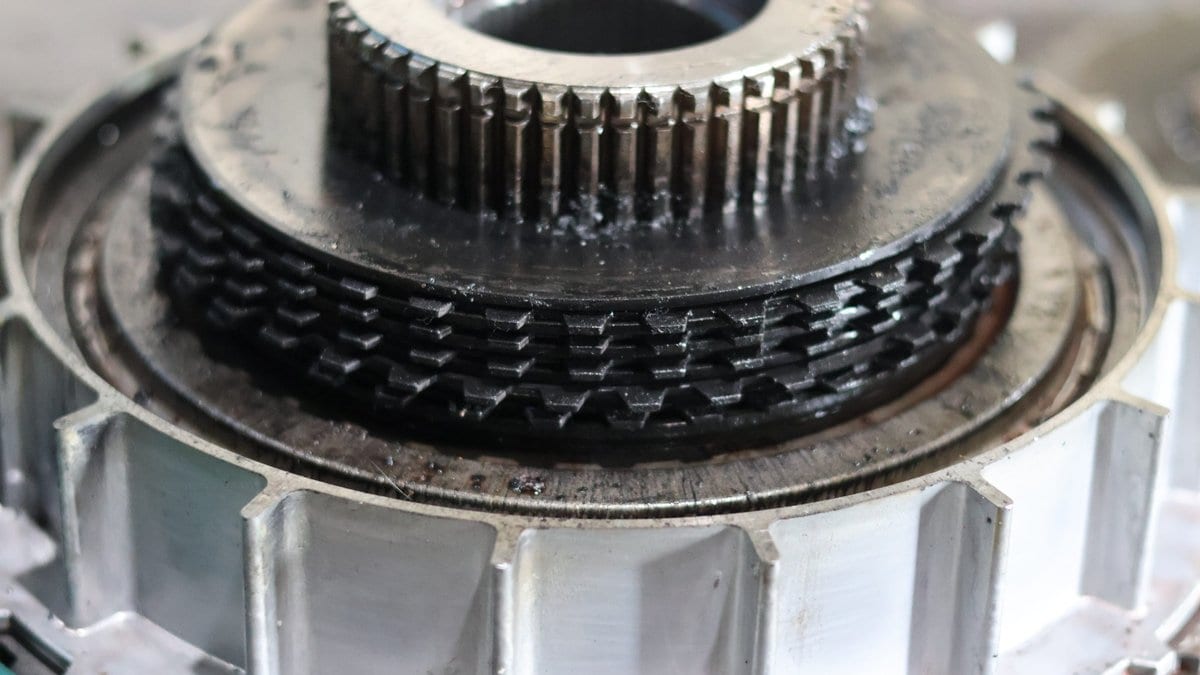
Automatic Transmission Failure: Catch It Before the Case Fills With Metal
Automatic transmission failure is a heat problem, a pressure problem, or a control...
Automatic Transmission Problems: 10 Signs a Built Car Gives You First
A transmission almost never quits without warning. It slips, it flares, it hangs...
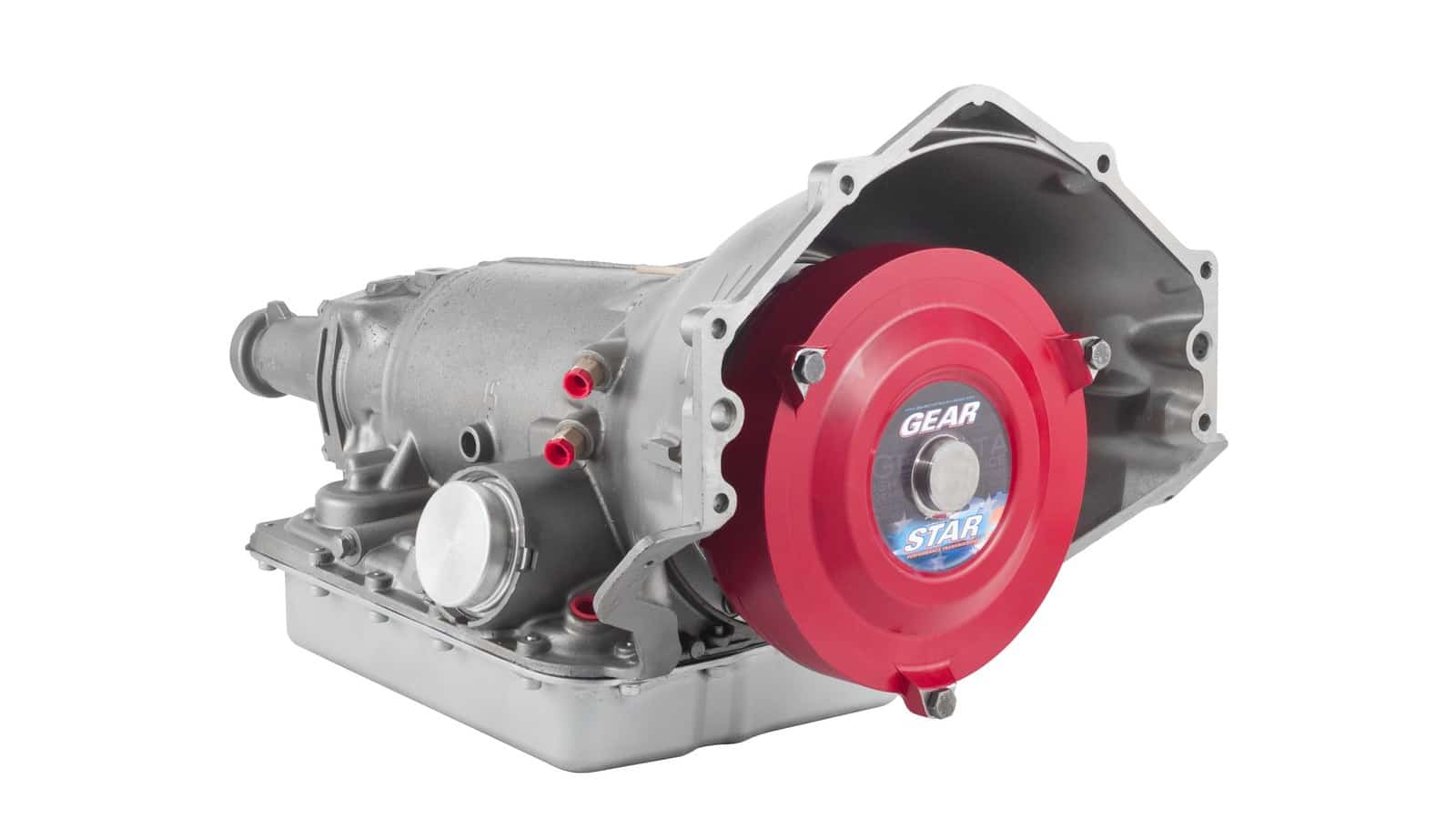
How to Identify Your GM Transmission by Shape and Numbers
A swap meet core with no tag. A project car with a transmission nobody can vouch...