
How Much Horsepower Can a 4L60E Really Handle? Stock vs. Built
The Number Everybody Quotes and Nobody Sources
Ask how much horsepower a 4L60E can handle and you will get answers from 350 to 700. Walk the aisles at SEMA and you will hear both numbers in the same afternoon. The funny part is that both can be true. A stock 4L60E and a fully built one are two different transmissions that happen to share a case.
So the real answer is a ladder. Here is what a 4L60E holds at each stage of build, what fails first as power climbs, and the point where your money is better spent on a bigger transmission.
Short Answer
A stock 4L60E is happiest at roughly factory power, in the 300 to 350 horsepower range, in a vehicle close to what GM put it in. A built 4L60E can handle a lot more. Our 2WD builds are rated from 350 hp at Level 1 up to 700 hp and 650 ft-lb at Level 5. Past that, or when torque, weight or duty climb, a 4L80E is usually the better buy.
Stock: Why It Lives Near Factory Power
The 4L60E was designed for factory engines in cars, half-ton trucks and SUVs. Its clutch packs, hard parts and hydraulics are sized for that job. Add a cam, a stroker kit, boost, sticky tires or a heavier vehicle and you are asking the same parts to carry more load than they were engineered for.
The first sign is usually heat and slip on the 3-4 shift, because the 3-4 clutch pack is small for the torque it has to hold at the top of third gear. Keep pushing and the hard parts start to go.
The Power Ladder: Gearstar 4L60E Builds by Level
These are the published ratings on our 2WD 4L60E builds, measured at the crankshaft. They are ceilings, not targets. The level we recommend depends on your whole combination.
| Build | Rated up to | Who it fits |
|---|---|---|
| Level 1 | 350 hp / 325 ft-lb | Stock or lightly modified engines, daily drivers |
| Level 2 | 400 hp / 400 ft-lb | Mild street builds, bolt-ons, light cams |
| Level 3 | 500 hp / 500 ft-lb | Full street builds, cammed LS and small blocks |
| Level 4 | 650 hp / 600 ft-lb | Hard-driven street and strip cars |
| Level 5 | 700 hp / 650 ft-lb | Max-duty builds near the top of the platform |
4x4 builds carry lower ratings because of the added load. Our 4x4 4L60E is rated to 400 hp at Level 2, 500 hp at Level 3 and 600 hp at Level 4. The 4L60E product pages list current ratings, warranty and price for each.
What Fails First as Power Climbs
Push a 4L60E past what it was built for and the failures tend to show up in a familiar order:
- 3-4 clutch pack. The first to slip and burn. Too few frictions for the torque, so it overheats on the 3-4 shift.
- Sun shell. The thin factory shell can crack or strip its splines under torque. When it goes, you lose second, third and reverse.
- Input drum and input shaft. At higher torque the input side becomes the limit, especially with hard launches.
- Planetaries, pump and hydraulics. At the top of the ladder, gear sets, pump and line pressure all need upgrades to hold up.
A good build gets ahead of that list. That means more clutch capacity, a hardened sun shell, a stronger input side, upgraded planetaries and recalibrated hydraulics, all chosen for the power level and use. Our 4L60E performance build guide covers the upgrades in more detail.
Torque Hurts More Than Horsepower
The horsepower number gets the headline, but the transmission feels torque. A big-inch engine that makes peak torque low in the rpm range loads the clutches and hard parts harder at part throttle and on launch than a high-rpm engine with the same peak horsepower. That is why our ratings list torque next to horsepower, and why a torquey stroker can be harder on a 4L60E than a peakier engine with a bigger hp number.
Weight, Gearing and Tires Change the Answer
The same engine can be easy on a 4L60E in one car and kill it in another. Three things multiply the load:
- Vehicle weight. A 4,800 pound truck asks far more of the transmission than a 3,200 pound street car.
- Rear gear. Deeper gears multiply torque. Add the 4L60E's 3.06 first gear and the load at launch climbs fast.
- Tires. Sticky tires stop the slip that used to protect the drivetrain. Bigger tires add leverage and rotating mass.
That is why we ask for weight, gear and tire size before we recommend a build level, not just horsepower.
Cooling and Fluid: The Quiet Killer
Heat ends more 4L60Es than horsepower does. Once fluid runs hot it stops lubricating and stops holding pressure the way the transmission needs, and the clutches and seals wear fast from there. Size the cooler to how the car gets driven, use the right fluid, and service it on a real interval. Our guide to 4L60E transmission fluid covers type and capacity, and our overheating guide covers cooling.
When to Stop Building and Step Up
A built 4L60E is the right call for a lot of street cars, especially lighter cars with tight tunnels. But there is a point where building it further is the wrong spend. We generally start looking at a 4L80E when a build makes more than about 650 horsepower, sees drag racing or extreme duty, runs a heavy vehicle with big tires, or has more power planned. Our 4L60E vs 4L80E guide walks through that decision, and our LS swap transmission guide covers the options behind an LS.
Get the Right Level the First Time
Tell us the engine, power and torque, vehicle weight, rear gear, tire size, how you drive and what is planned next. We will recommend the level that fits. Every Gearstar 4L60E is built start to finish by one technician, paired with a converter built for it, and dyno tested for the equivalent of 100 miles before it ships. Get an estimate.
FAQs
How much horsepower can a stock 4L60E handle?
A stock 4L60E is best kept near factory power, roughly 300 to 350 horsepower, in a vehicle close to what GM designed it for. Past that, the 3-4 clutch pack and sun shell are usually the first parts to fail.
How much horsepower can a built 4L60E handle?
It depends on the build. Gearstar 2WD 4L60E builds are rated from 350 hp at Level 1 to 700 hp and 650 ft-lb at Level 5. Weight, gearing, tires and use all affect which level is right.
What breaks first on a 4L60E?
Usually the 3-4 clutch pack, followed by the sun shell. At higher torque the input drum, input shaft and planetaries become the limit.
Is a 4L60E or 4L65E stronger?
The 4L65E has more capacity from the factory, including a five-pinion planetary. A built 4L60E and a built 4L65E can reach similar ratings, so the right choice depends on what fits your vehicle and budget.
When should I upgrade from a 4L60E to a 4L80E?
We generally start looking at a 4L80E above roughly 650 horsepower, for drag racing or extreme duty, for heavy vehicles on big tires, or when more power is planned.
More From the Shop
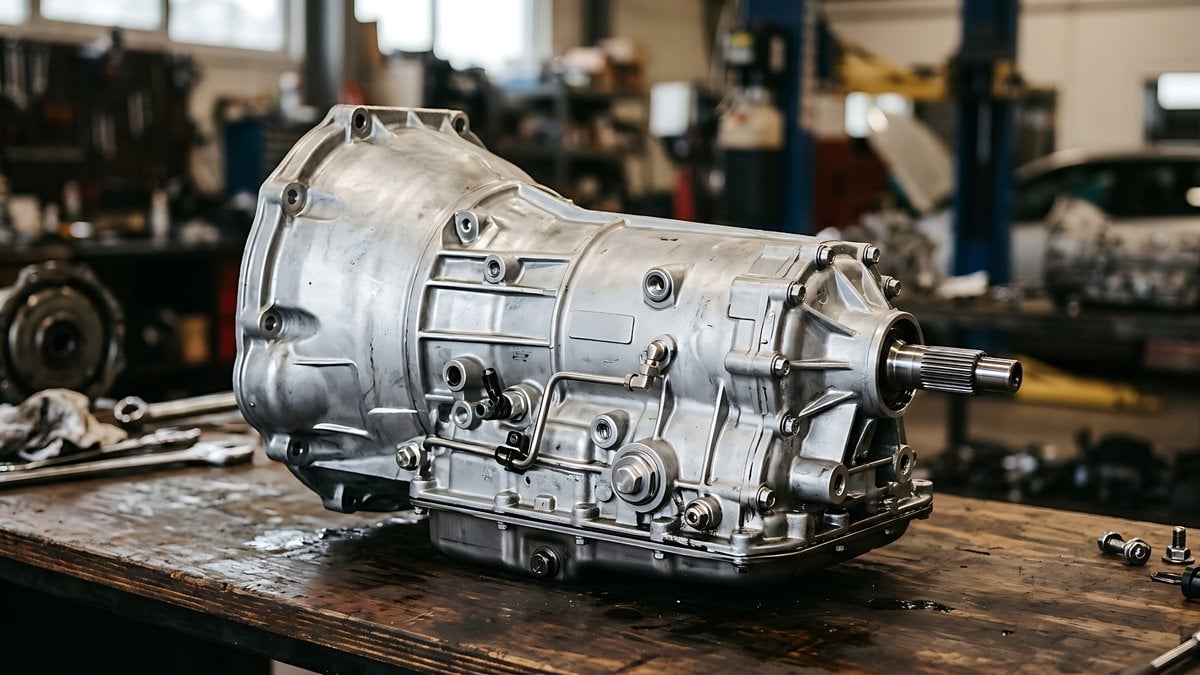
What Is an Automatic Transmission and How Does It Work Behind a Built Motor
An automatic transmission multiplies engine torque through fluid, then uses...
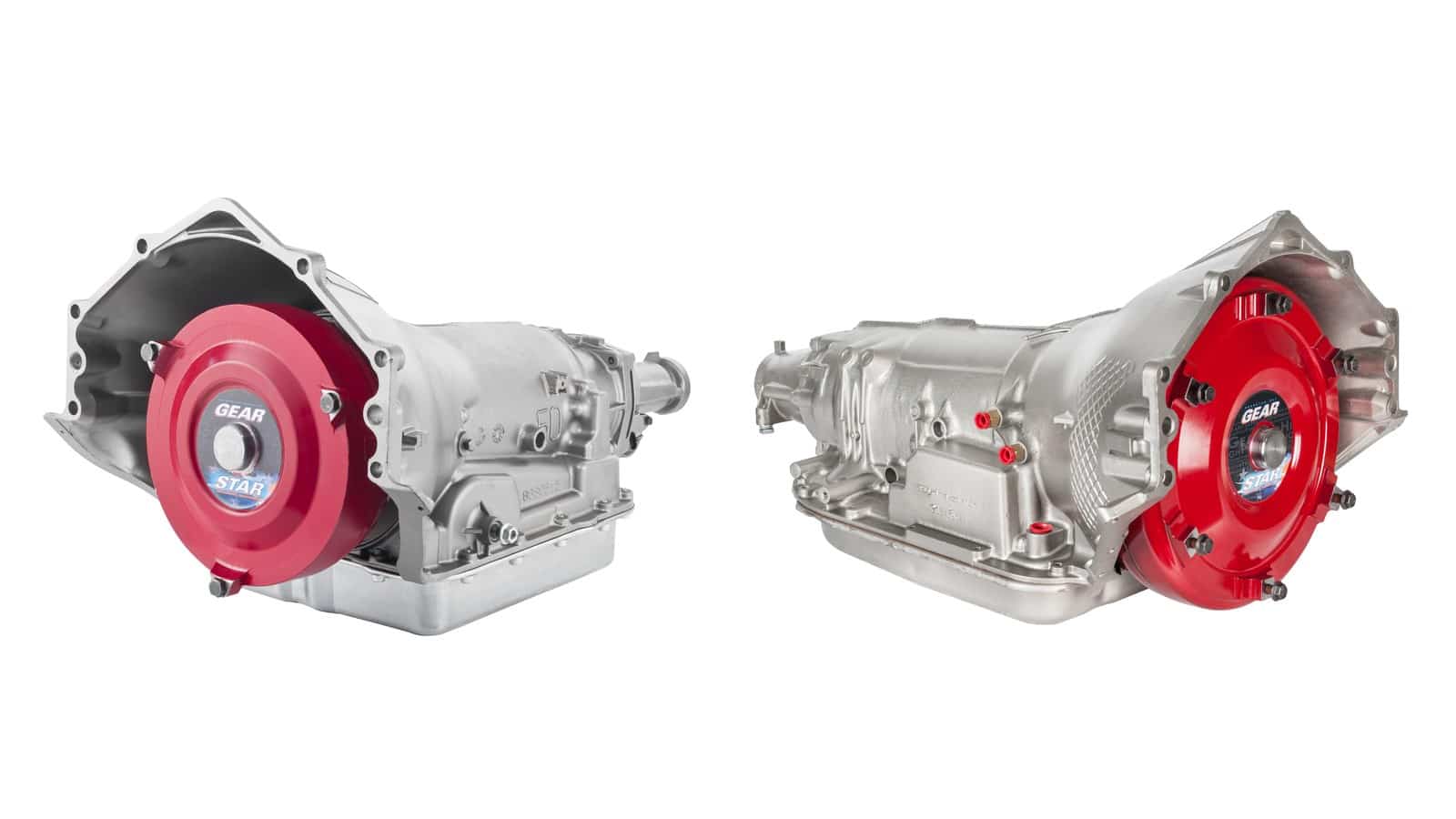
4L60E vs. 4L80E: Which GM Transmission Is Right for Your Build?
The 4L60E vs 4L80E question usually shows up as a horsepower question. How much can...
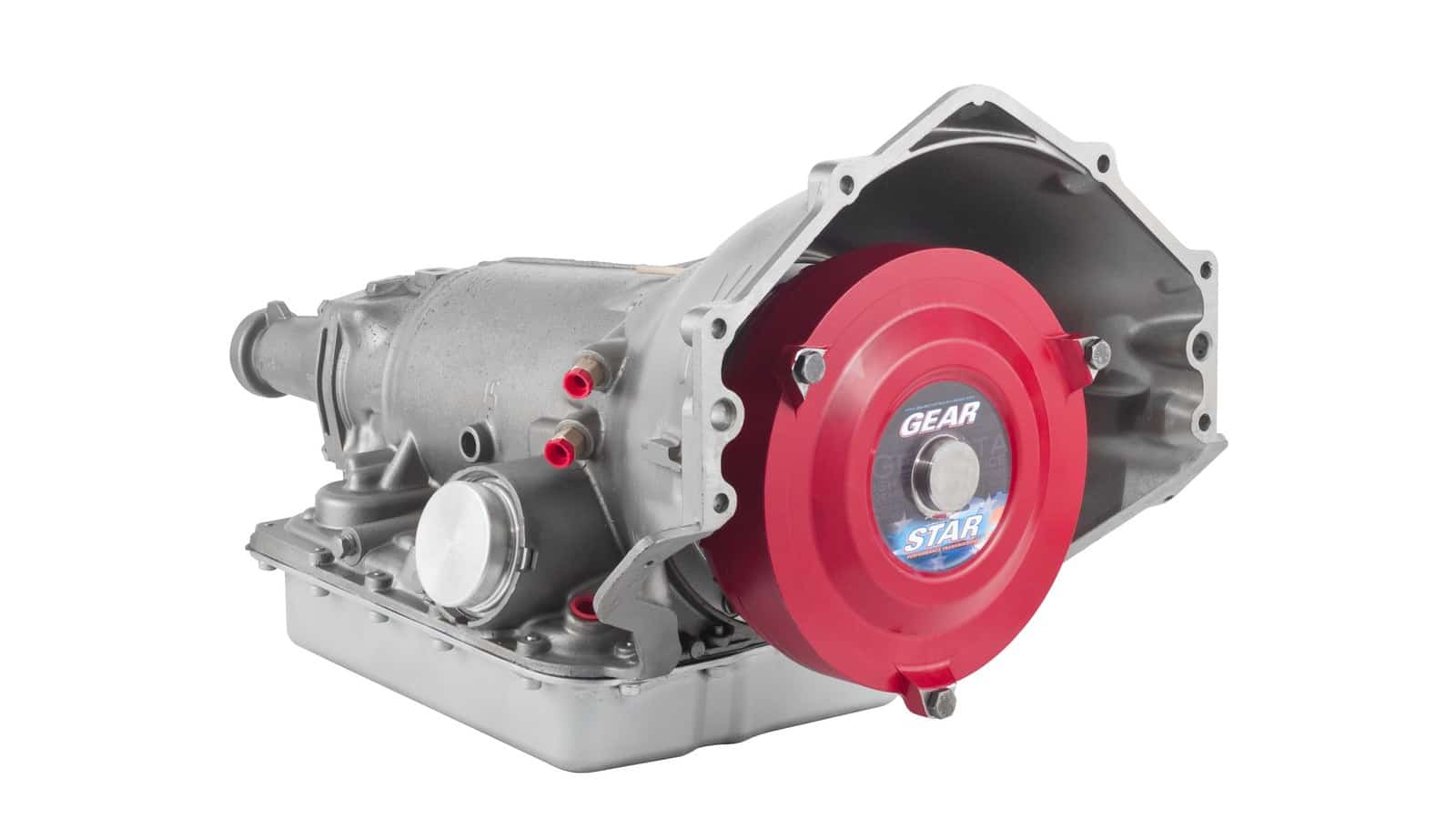
How to Identify Your GM Transmission by Shape and Numbers
A swap meet core with no tag. A project car with a transmission nobody can vouch...